Where Should You Store Medicine? Find the Safe and Practical Spot at Home

Where Should You Store Medicine? Find the Safe and Practical Spot at Home
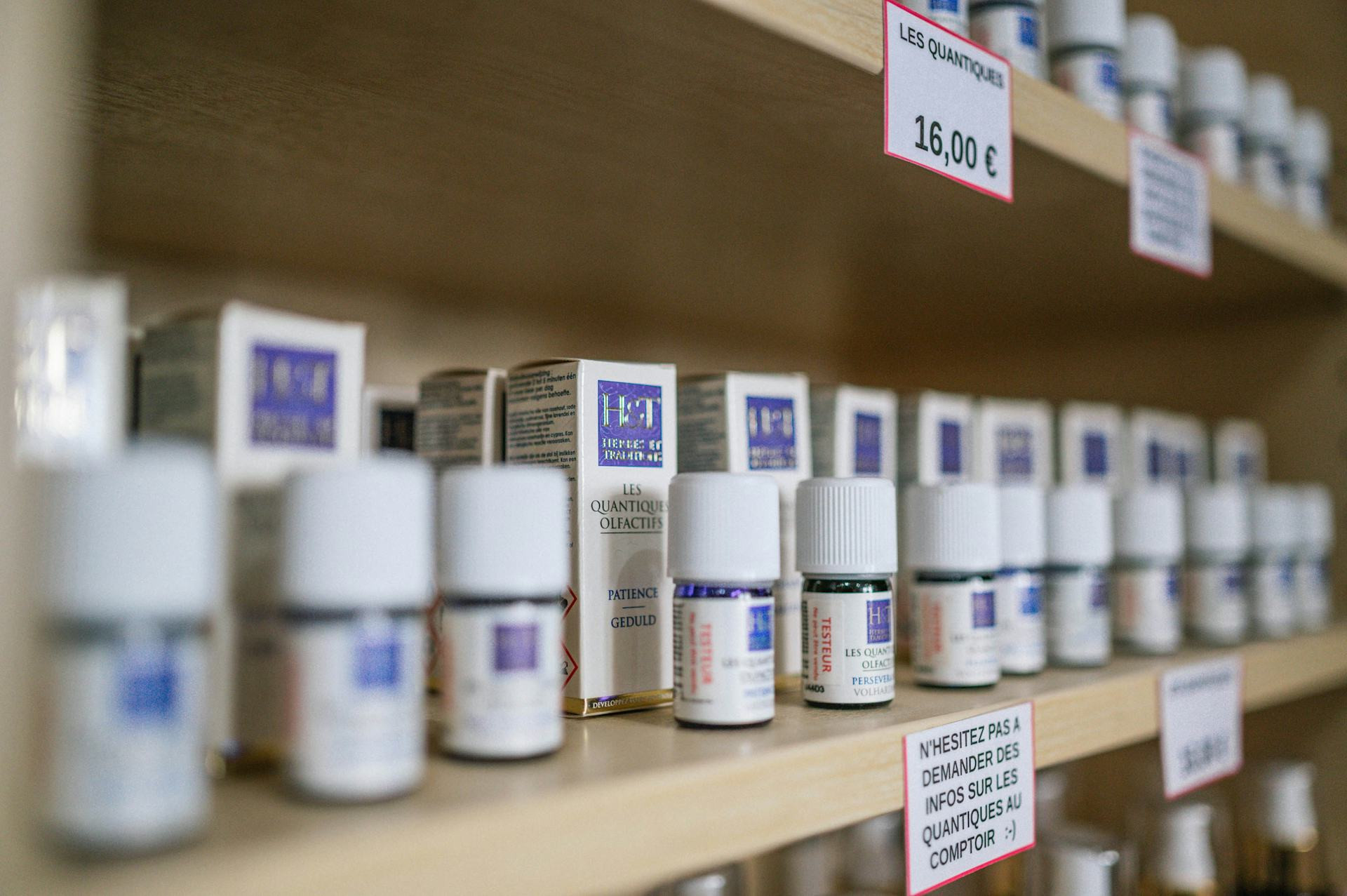
Most households keep a small supply of medicine—everything from pain relievers and allergy tablets to prescription drugs. But where should you actually store them to keep them both safe and effective? Many people place their medicine in the bathroom cabinet, but that’s rarely the best choice. Here’s a guide to finding the right spot in your home so your medicine stays potent and out of reach of children and pets.
Skip the Bathroom – Heat and Humidity Can Damage Medicine
The bathroom might seem convenient, but it’s one of the worst places to store medicine. Steam from showers and frequent temperature changes can cause pills to break down faster, creams to separate, and liquids to lose their effectiveness.
Most medications should be kept in a cool, dry place at room temperature—typically between 68°F and 77°F. A bedroom closet, hallway cabinet, or another dry area away from direct sunlight and heat sources is a much better option.
Safety First – Keep Medicine Away from Children and Pets
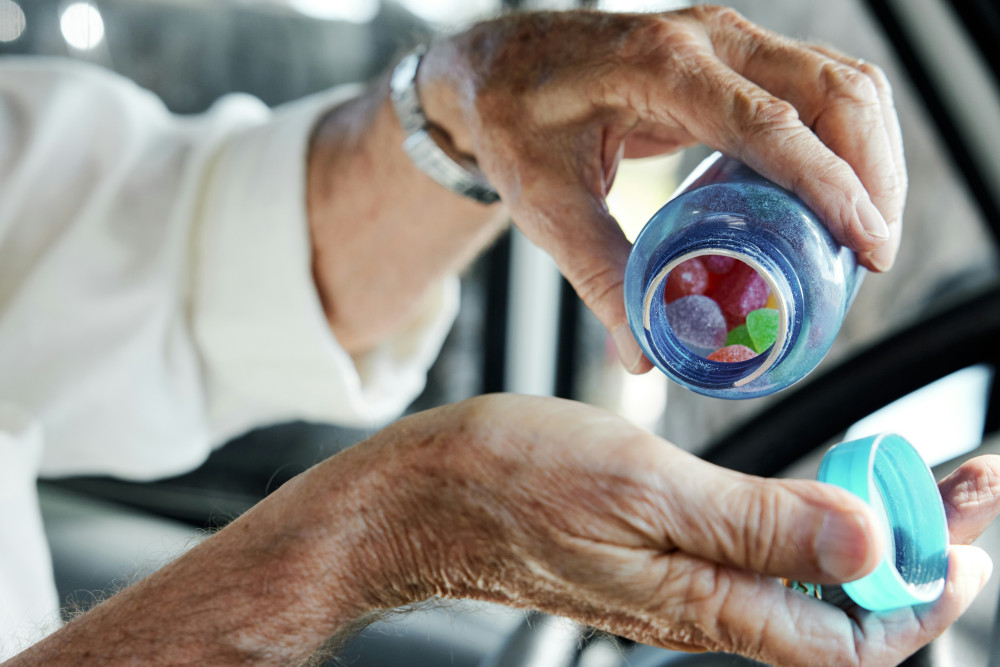
Children are naturally curious, and medicine can look like candy. Always store medications out of reach and sight of children. Use a high shelf or a locked cabinet, especially for prescription drugs, painkillers, or sleep aids.
If you have pets, take the same precautions. Even small amounts of human medicine can be toxic to animals. Make sure bottles can’t fall or be chewed open.
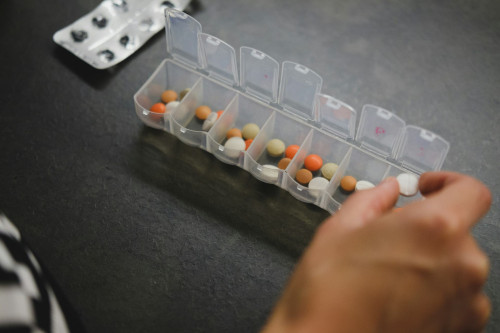
A good idea is to keep all your medicine in a labeled plastic storage box with a secure lid. It keeps everything organized and makes it easy to grab the whole box when you need something.
Refrigerator Storage – Only When the Label Says So
Some medications need to be refrigerated, such as certain types of insulin, liquid antibiotics, or eye drops. The packaging or prescription label will clearly state if refrigeration is required.
If you need to store medicine in the fridge, place it in the middle section, not in the door where temperatures fluctuate. Avoid the back of the fridge, where it can get too cold. You can use a small plastic container to keep refrigerated medicine separate from food.
Keep Track of Expiration Dates
Medicine loses its effectiveness over time, and some can even become unsafe after the expiration date. Go through your medicine supply a couple of times a year. Dispose of anything that’s expired or no longer needed.
Never throw medicine in the trash or flush it down the toilet. Instead, take it to a pharmacy or a local drug take-back program. Many U.S. pharmacies and law enforcement agencies offer safe disposal options to protect both people and the environment.
Make It Easy to Find What You Need
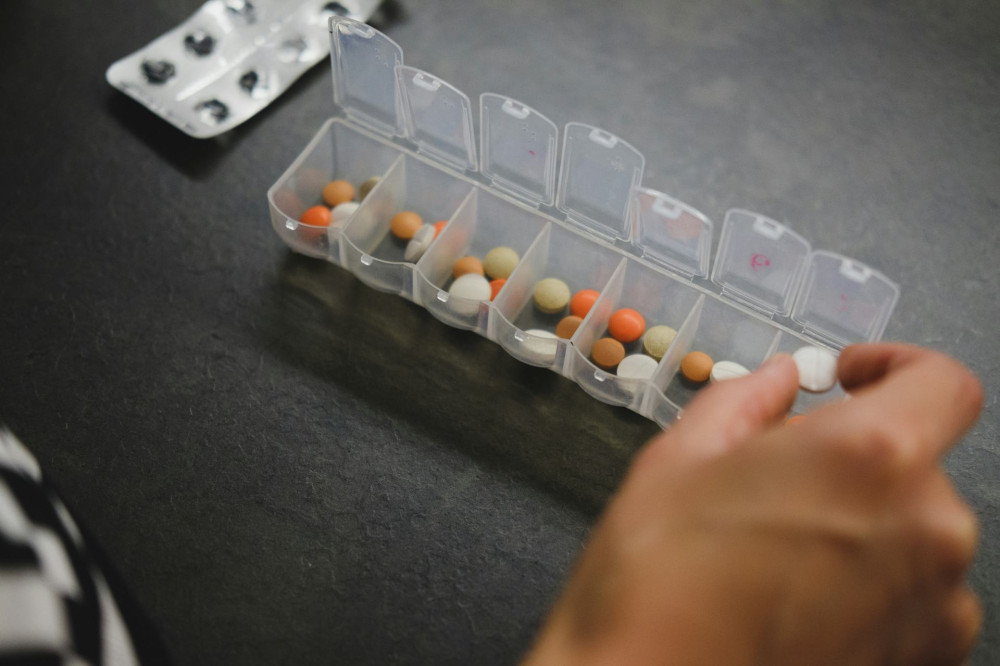
A well-organized medicine area isn’t just safer—it’s more practical. Try grouping your medicine into categories:
- Everyday use: pain relievers, allergy medicine, nasal spray.
- First aid: bandages, antiseptic, antibiotic ointment.
- Prescription medicine: stored separately and clearly labeled.
- Children’s medicine: only if you have kids, and always in child-resistant packaging.
You can also keep a small list of what you have and when it expires. It helps you avoid duplicates and ensures you always have what you need.
When Traveling or Having Guests
If you’re traveling, check how your medicine should be stored on the go. Some types can’t tolerate heat and may need to be kept in a small cooler bag. When hosting guests with children, consider temporarily moving your medicine to a higher or locked location.
Læs også:


A Small Space That Makes a Big Difference
A safe and organized medicine storage spot doesn’t take much effort—just a dry cabinet, a bit of order, and a habit of checking expiration dates. In return, you’ll have peace of mind knowing your medicine stays effective and out of reach of curious hands and paws.
Læs også: