Maintain Your Strength and Mobility as You Age

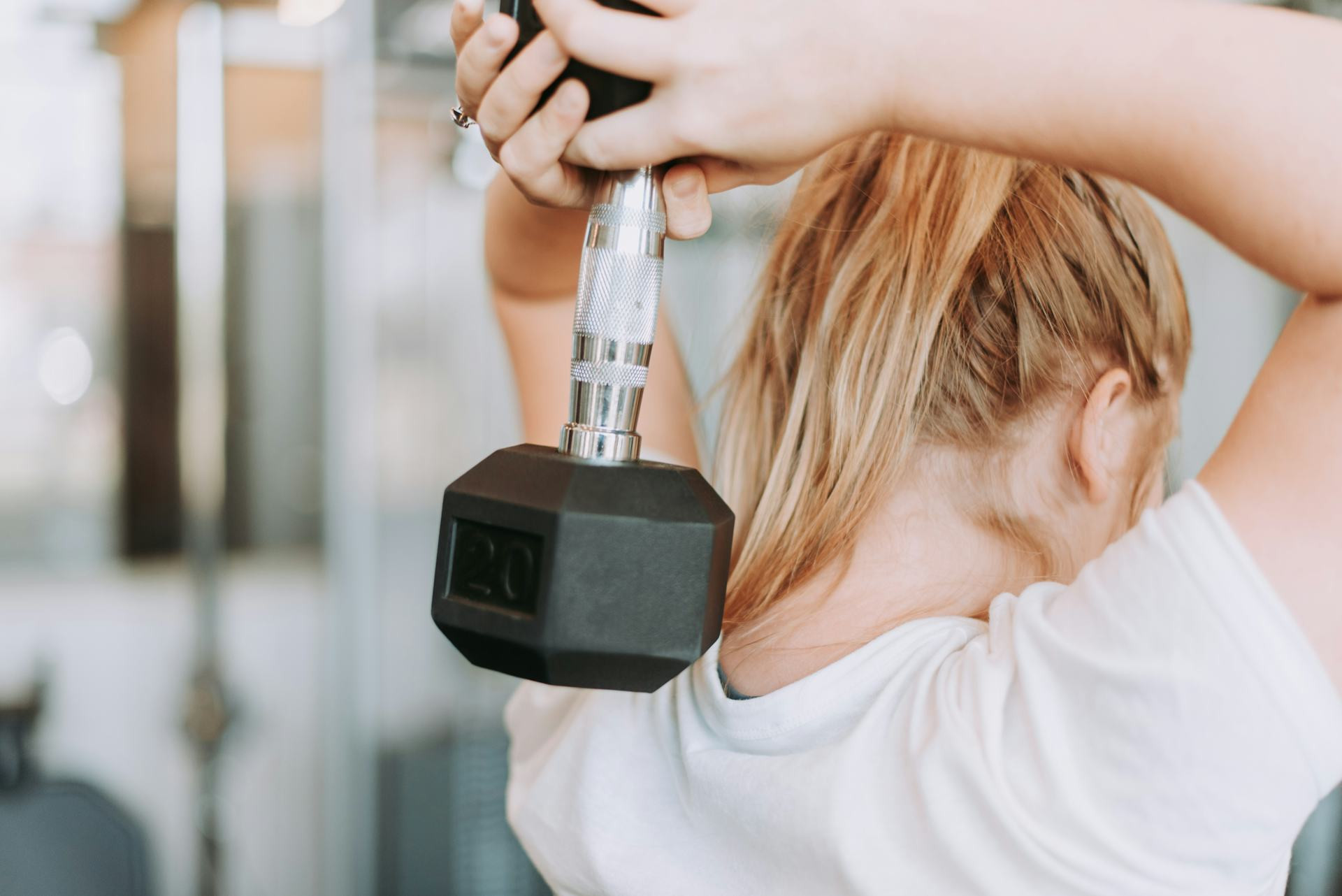
Maintain Your Strength and Mobility as You Age
Getting older doesn’t have to mean losing your strength or flexibility. In fact, research shows that regular movement and strength training can help you maintain muscle, balance, and independence well into your later years. You don’t need to lift heavy weights or run marathons — the key is to keep your body active in ways that feel right for you. Here’s how you can stay strong and mobile as you age.
Why Strength and Mobility Matter
As we age, we naturally lose muscle mass and flexibility. This process, known as sarcopenia, can make everyday tasks like getting up from a chair, carrying groceries, or climbing stairs more difficult. Reduced balance and flexibility can also increase the risk of falls — one of the most common causes of injury among older adults.
The good news is that it’s never too late to make a difference. Studies show that even people in their 80s and 90s can build strength and improve mobility through consistent exercise. The key is to start at your own pace and choose activities that fit your abilities and interests.
Læs også:



Strength Training – Your Best Investment
Strength training is one of the most effective ways to counteract age-related muscle loss. You don’t need a gym membership to get started — many exercises can be done at home using your own body weight or simple equipment like resistance bands or light dumbbells.
Try incorporating:
- Chair squats – strengthen your legs and hips.
- Wall or countertop push-ups – build upper body and shoulder strength.
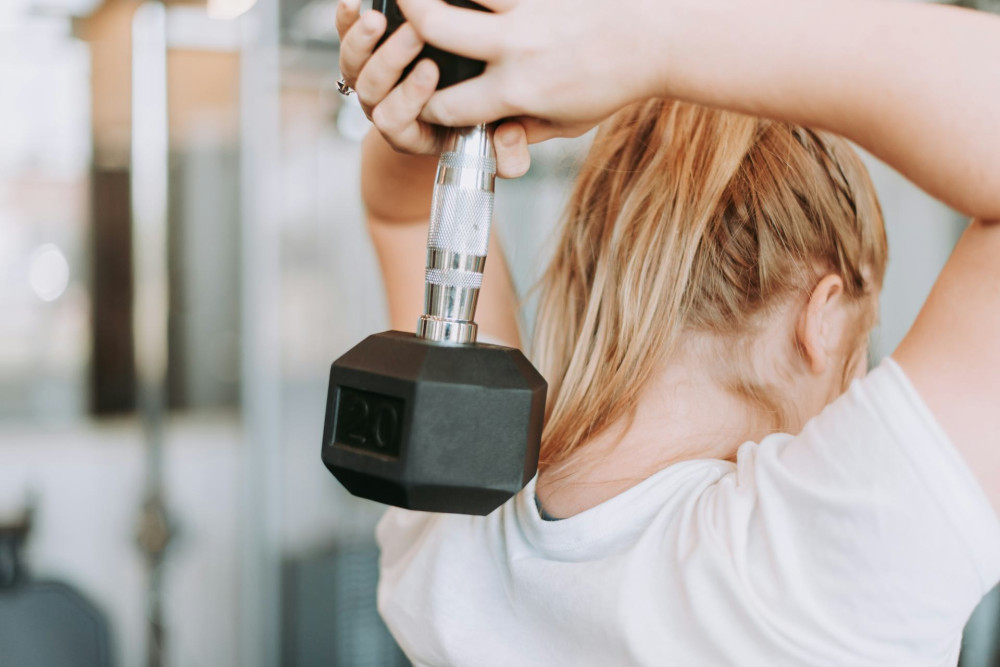
- Light weightlifting – use small dumbbells or even water bottles.
- Resistance band exercises – add gentle resistance without stressing your joints.
Aim for two to three sessions per week, and gradually increase the intensity as you get stronger. Consistency matters more than perfection — small, steady progress adds up over time.
Flexibility and Balance – Keys to Everyday Freedom
Flexibility and balance are just as important as strength. They help you move comfortably, prevent falls, and stay confident in your daily activities. Gentle stretching, yoga, or tai chi can all make a big difference.
Consider adding:
- Daily stretching – focus on your hips, shoulders, and back.
- Balance exercises – practice standing on one leg or walking heel-to-toe.
- Varied movement – dance, garden, or take walks. Every bit of movement counts.
Many community centers, senior centers, and local YMCAs offer group fitness classes designed for older adults. These programs not only improve physical health but also provide social connection — an important motivator for staying active.
Everyday Movement Matters
You don’t have to think of exercise as a separate activity. Everyday movement — walking the dog, taking the stairs, doing yard work, or playing with your grandchildren — all contributes to maintaining strength and mobility. The goal is simply to keep moving and avoid long periods of sitting.
A good target is at least 30 minutes of moderate activity most days of the week. You can break it up into shorter sessions — even a few 10-minute walks can boost circulation, mood, and energy.
Listen to Your Body and Find Your Rhythm
As you become more active, pay attention to how your body feels. Mild soreness is normal when you start new activities, but pain is a sign to rest or adjust your routine. If you have chronic conditions or past injuries, talk with your doctor or a physical therapist before beginning a new exercise program.
Set realistic goals and be patient with yourself. The most important thing is to build a routine you can stick with — not to push yourself too hard too soon.
Movement Is Quality of Life
Maintaining strength and mobility isn’t just about physical health — it’s about freedom, confidence, and joy. When your body works well, it’s easier to travel, enjoy hobbies, spend time with loved ones, and live independently. Staying active is one of the best investments you can make in your long-term well-being — helping you live fully and vibrantly at every age.
Læs også: