Hand Hygiene at Home – A Simple Way to Reduce Illnesses and Infections

Hand Hygiene at Home – A Simple Way to Reduce Illnesses and Infections
Good hand hygiene is one of the most effective—and simplest—ways to prevent illness. Every day, our hands come into contact with countless surfaces, people, and objects, and germs can easily find their way to our mouths, noses, or eyes. By adopting a few simple habits, you can reduce the risk of infections at home and create a healthier environment for your family.
Why Hand Hygiene Matters
Many common infections, such as colds, flu, and stomach bugs, spread through our hands. When you touch a doorknob, phone, or keyboard, you can pick up germs that are then transferred to yourself or others. Proper hand hygiene breaks this chain of transmission.
Handwashing is especially important in homes with children, older adults, or anyone with a weakened immune system. It’s not about creating a sterile environment—it’s about reducing the number of germs we encounter in daily life.
How to Wash Your Hands Properly
A quick rinse under water isn’t enough. To effectively remove germs, follow these steps:
- Wet your hands with clean, warm water.
- Apply soap—liquid soap is best—and lather well for at least 20 seconds.
- Scrub all parts of your hands: palms, backs, between fingers, around thumbs, and under nails.
- Rinse thoroughly under running water.
- Dry your hands with a clean towel or disposable paper towel.
If you’re unsure how long 20 seconds lasts, try counting slowly to twenty or humming a short tune—it makes the process easier to remember and more enjoyable.
Læs også:



When to Wash Your Hands
Even though it may seem obvious, many people forget to wash their hands at the most important times. Make it a habit to wash your hands:
- Before preparing or eating food.
- After using the bathroom.
- After coughing, sneezing, or blowing your nose.
- After touching trash, cleaning products, or pets.
- When you return home from public places, such as stores or public transportation.
- After caring for someone who is sick.
By building handwashing into these routines, you protect both yourself and those around you.
Hand Sanitizer as a Backup
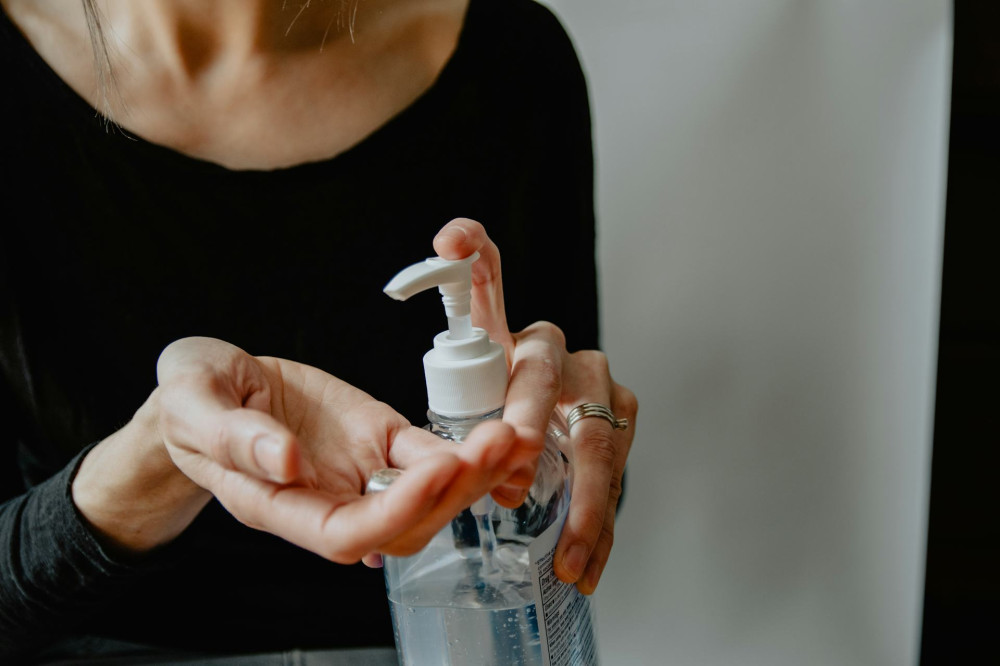
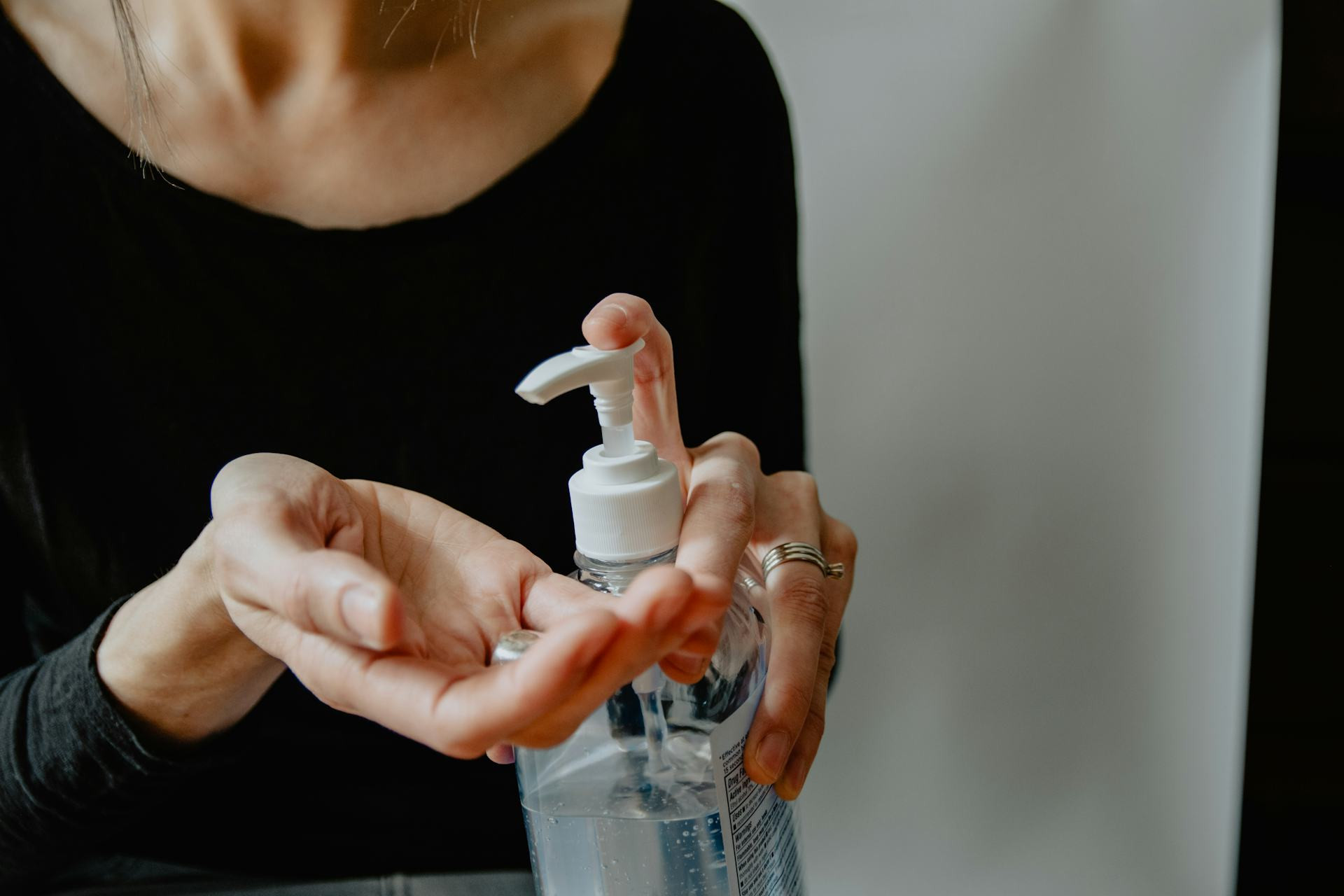
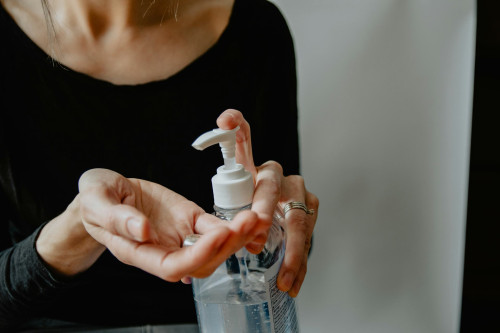
When soap and water aren’t available, hand sanitizer is a good alternative. Choose one that contains at least 60% alcohol, and use enough to keep your hands wet for about 20–30 seconds while rubbing them together. Keep in mind that sanitizer doesn’t remove dirt or grime, so washing with soap and water is still necessary when hands are visibly dirty.
Making It Easy for the Whole Family
For hand hygiene to become a natural part of daily life, it needs to be convenient. Keep soap and clean towels at every sink, and place hand sanitizer near entryways or in the kitchen. For children, make handwashing fun—use colorful soaps or turn it into a game to encourage good habits early on.
Small Habits, Big Impact
Improving hand hygiene doesn’t take much effort, but the benefits are significant. Fewer sick days, less spread of germs, and better overall well-being are just some of the rewards. Hand hygiene is a simple yet powerful investment in health—for yourself and everyone in your home.
Læs også: