Eat with Mindfulness: Health and Pleasure Go Hand in Hand

Eat with Mindfulness: Health and Pleasure Go Hand in Hand
In a fast-paced world where meals often happen between meetings, in the car, or in front of a screen, eating can easily become just another task to check off the list. But the way we eat matters as much as what we eat. Mindful eating invites us to slow down, pay attention, and truly experience our food. When we do, health and pleasure can go hand in hand.
What Does It Mean to Eat Mindfully?
Mindful eating means being fully present during a meal. It’s about noticing the colors, textures, and flavors of your food, and tuning in to your body’s signals of hunger and fullness. It also means setting aside distractions—turning off the TV, putting down your phone, and giving your meal your full attention.
When you eat mindfully, you become more aware of what your body needs. You start to recognize when you’re truly hungry and when you’ve had enough. This awareness can help prevent overeating and create a more relaxed, positive relationship with food.
Health Begins with Awareness
Many Americans associate healthy eating with strict diets or long lists of “don’ts.” But real health begins with awareness, not restriction. When you eat with mindfulness, you naturally make choices that support your well-being. You start to crave foods that give you energy and satisfaction rather than those that simply fill a void.
Research from U.S. universities and health organizations has shown that mindful eating can improve digestion, support weight management, and help regulate blood sugar levels. Just as importantly, it can reduce the guilt and stress that often accompany dieting. Instead of being a source of pressure, food becomes a source of nourishment and joy.
Simple Ways to Eat More Mindfully
You don’t need to overhaul your lifestyle to start eating with more awareness. Small, intentional changes can make a big difference:
- Slow down. Put your fork down between bites and chew thoroughly.
- Eliminate distractions. Step away from screens and focus on your meal.
- Listen to your body. Stop eating when you feel comfortably full, even if there’s food left.
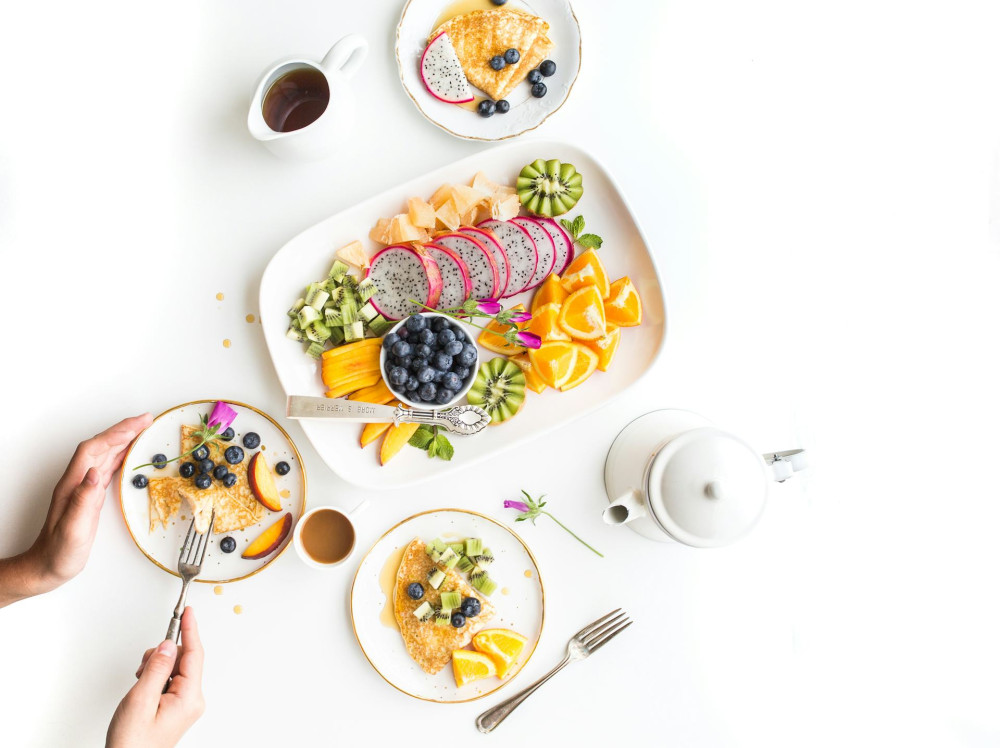
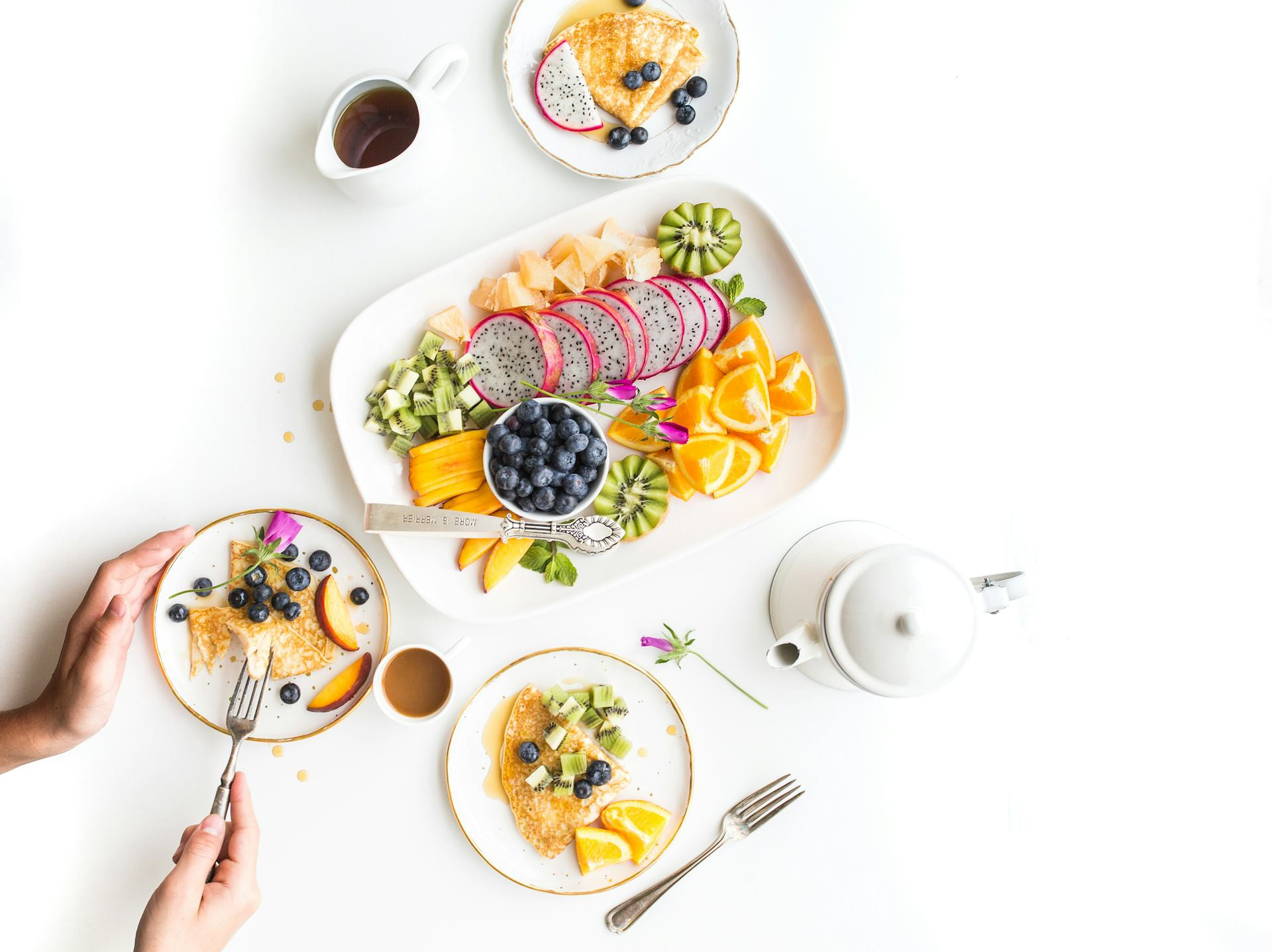
- Savor the flavors. Notice the sweetness of a ripe peach or the crunch of fresh vegetables.
- Practice gratitude. Take a moment to appreciate where your food came from and the effort behind it.
These simple habits can transform an ordinary meal into a meaningful experience.
Pleasure as Part of Health
Health and pleasure are often seen as opposites, but they can beautifully coexist. When you eat mindfully, even a simple dish can bring deep satisfaction. It’s not about eating perfectly—it’s about eating with respect for your body and enjoyment of your food.
A square of dark chocolate, a homemade soup, or a crisp salad can all be healthy choices when eaten with awareness and appreciation. When you allow yourself to enjoy food without guilt, you’re less likely to overeat or feel deprived later.
Create a Calm Mealtime Environment
A mindful meal begins with the setting. Set the table, light a candle, or play soft music. It doesn’t have to be fancy—just a small signal that it’s time to pause and eat.
If you’re sharing a meal with family or friends, use that time to connect. Talk about your day, share stories, and keep phones out of reach. The sense of togetherness that comes from eating with others is an important part of both physical and emotional well-being.
Læs også:




A Meal as a Moment of Pause
Eating mindfully is, at its heart, a way to give yourself a moment of rest. It’s a chance to slow down, breathe, and reconnect with your senses. It doesn’t require extra time—just a shift in attention.
When you begin to eat with more presence, you’ll notice that food tastes better, your digestion improves, and you feel more satisfied. You may even find that you have more energy and a greater sense of balance throughout the day.
Health isn’t only about nutrients—it’s also about awareness. When you eat with mindfulness, every meal becomes an opportunity for both nourishment and joy.
Læs også: