Everyday Health: Make Transportation and Breaks Healthy, Active Choices

Everyday Health: Make Transportation and Breaks Healthy, Active Choices
In a busy day, it can feel impossible to find time for exercise. But staying healthy doesn’t always mean long workouts or strict routines. Small, intentional choices throughout the day can make a big difference—especially when it comes to how you get around and how you spend your breaks. By rethinking your daily transportation and downtime, you can boost your energy, focus, and overall well-being.
Active Transportation – Movement on the Way
For most Americans, commuting is a regular part of life, which makes it a great opportunity to add more movement. If you live within biking distance of work or school, consider cycling instead of driving. It’s good for your body, your mood, and the environment. Even short rides of 10–15 minutes count toward your daily activity.
If your commute is too long to bike the whole way, try mixing transportation modes. Take public transit part of the way and walk the rest, or if you drive, park a few blocks away and walk the final stretch. Those extra steps add up and give your body a chance to move.
You can also use your commute as a mental transition. A short walk after work can help you unwind before heading home, making it easier to leave the day’s stress behind.
Small Breaks, Big Benefits
Breaks aren’t just for coffee or scrolling your phone. They’re also a chance to recharge your body. Sitting for long periods can lead to stiffness, fatigue, and reduced concentration. That’s why it’s smart to take short movement breaks throughout the day.
Stand up at least once an hour, stretch, or take a quick walk around the office or your home. If you work remotely, use breaks to do light chores—fold laundry, water plants, or take the stairs a few extra times. The goal isn’t to work up a sweat, but to keep your body active.
Try linking movement to your daily routines: stretch while your coffee brews, or take a short walk after finishing a meeting. When movement becomes part of your habits, it feels natural—not like another task on your to-do list.
Use Your Environment
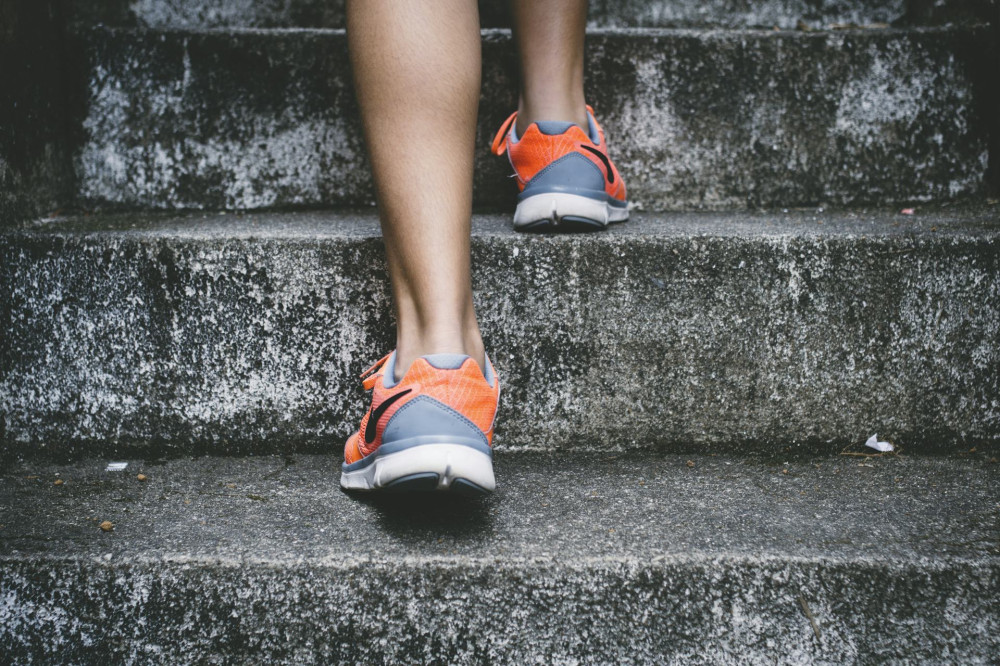
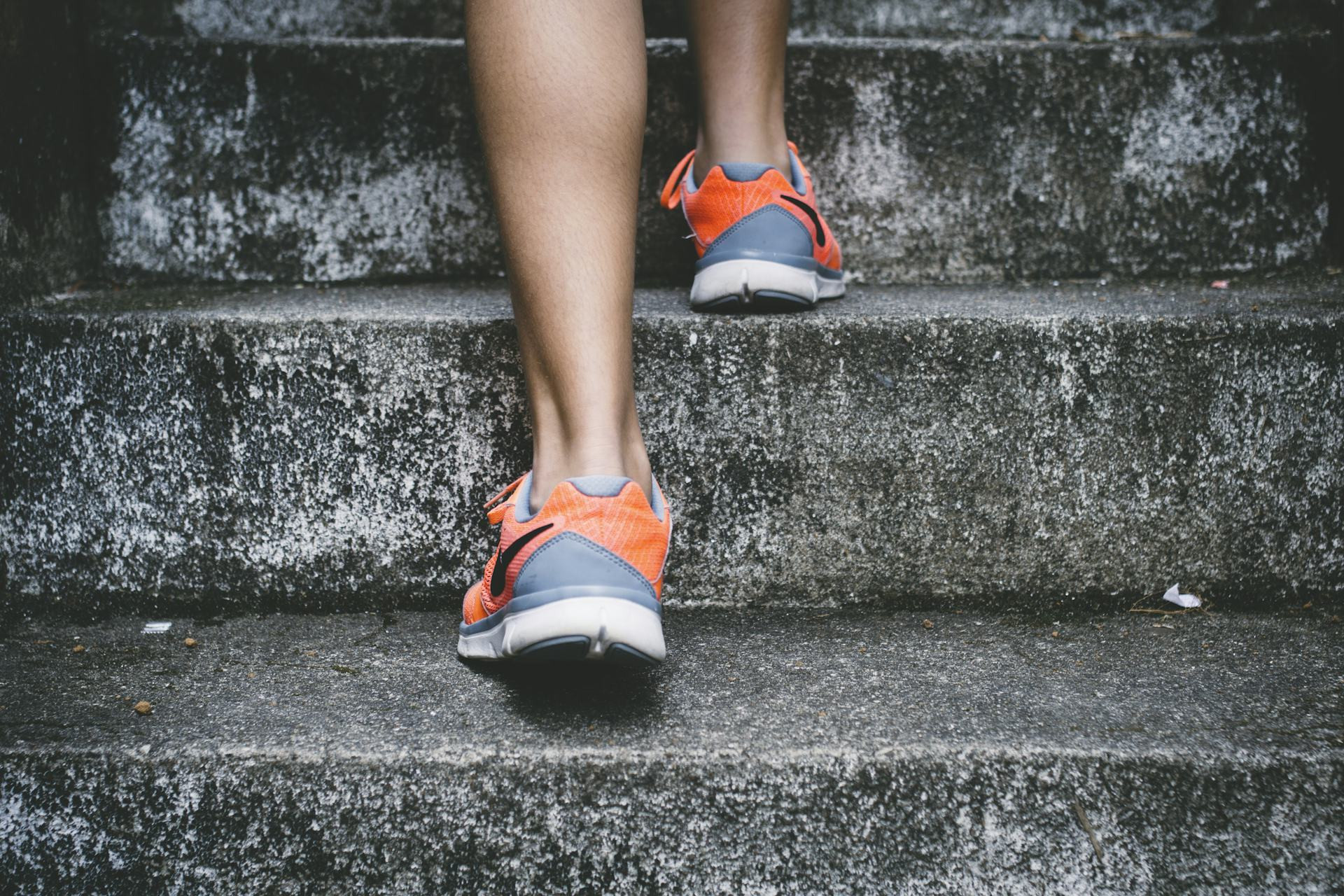
Many workplaces and public spaces offer ways to move more. Take the stairs instead of the elevator, stand during phone calls, or use a sit-stand desk if you have one. Even small changes in posture and movement can improve circulation and energy.
If your job allows, try walking meetings. “Walk and talk” sessions can be just as productive as sitting in a conference room—and they often spark fresh ideas while giving you a dose of fresh air.
Keep It Realistic—and Fun
The key is to make choices that fit your lifestyle. Setting goals that are too ambitious can lead to frustration. Start small: take the stairs once a day, walk an extra block, or get off the bus one stop early. Once you feel the benefits, it’s easier to build on your progress.
You can also make it more enjoyable by involving others. Invite a coworker for a daily walk break, or start a friendly step challenge with family or friends. Shared goals create motivation and make movement something to look forward to.
Læs også:



Small Steps Toward a Healthier Day
Everyday health isn’t about big changes—it’s about the small decisions you make again and again. When you choose to walk, bike, or use your breaks actively, you’re investing in your well-being without needing extra time in your schedule. Over time, those small steps can lead to big results: more energy, better mood, and a body that feels good.
So next time you’re heading somewhere or have a few minutes to spare, ask yourself: can I move a little more right now? The answer is almost always yes.
Læs også: