The Pharmacy as a Health Partner: Education, Prevention, and Support for Proper Medication Use

The Pharmacy as a Health Partner: Education, Prevention, and Support for Proper Medication Use
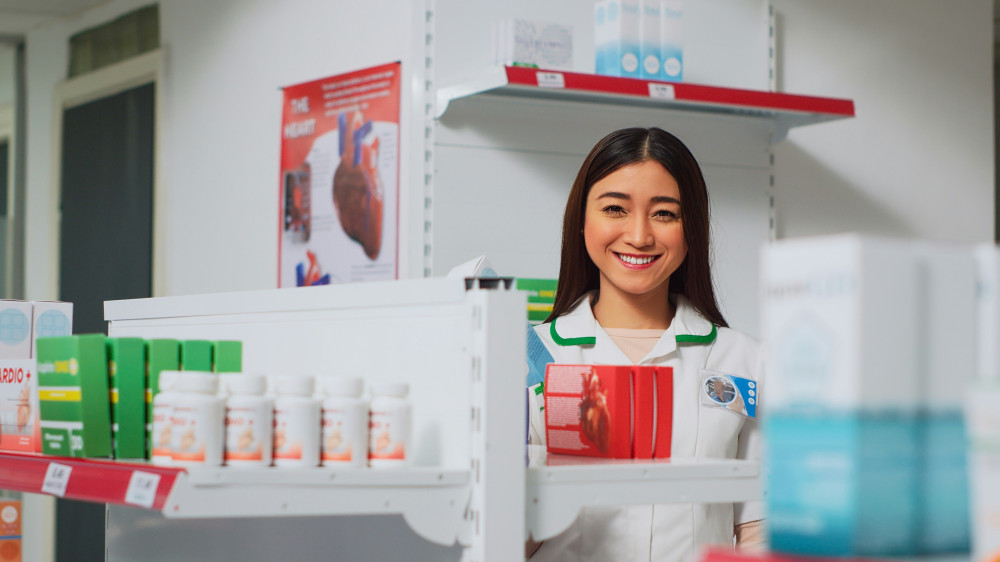
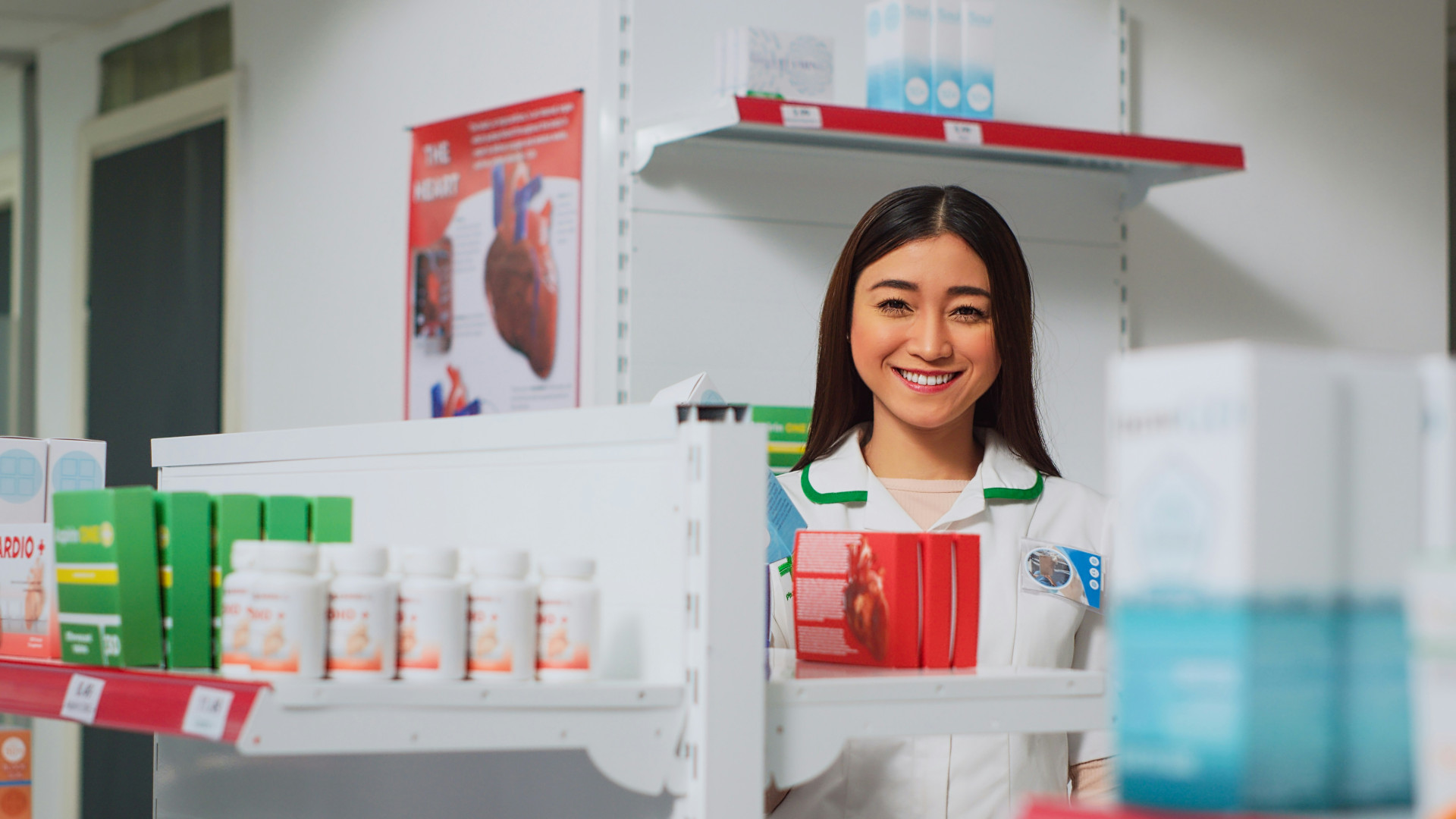
For many Americans, the pharmacy is a familiar stop on the way home from the doctor’s office or after an online prescription refill. But today’s pharmacy is much more than a place to pick up medication. Across the United States, pharmacists and pharmacy technicians are becoming essential partners in health—offering education, prevention, and personalized support to help patients use their medications safely and effectively. With their accessibility, expertise, and trusted presence in local communities, pharmacies play a vital role in the nation’s healthcare system.
From Dispensing to Advising
Traditionally, pharmacies were seen primarily as places where prescriptions were filled. Today, their role has expanded to include counseling, medication management, and health education. Pharmacists are highly trained professionals who help patients understand how to take their medications correctly, what side effects to watch for, and how different drugs may interact.
For patients who take multiple prescriptions—especially older adults or those with chronic conditions—keeping track of dosages and timing can be challenging. Many pharmacies now offer medication therapy management (MTM) services, where pharmacists review all of a patient’s medications to ensure they are safe, effective, and necessary. These reviews can prevent harmful interactions, reduce side effects, and improve overall treatment outcomes.
Prevention and Everyday Health
Pharmacies also play a growing role in disease prevention and health promotion. In addition to dispensing medications, many community pharmacies provide immunizations, blood pressure checks, cholesterol screenings, and smoking cessation counseling. During flu season, pharmacies are often the most convenient place to get vaccinated—no appointment needed.
Because pharmacies are located in nearly every neighborhood and often have extended hours, they are one of the most accessible points of care in the U.S. healthcare system. For people who may not have a regular doctor or who need quick advice, the local pharmacy can be the first step toward better health.
Safe and Proper Medication Use: A Shared Responsibility
Medication errors are a major cause of preventable hospitalizations in the United States. These errors can result from missed doses, incorrect timing, or confusion about how to take a medication. Pharmacists work actively to prevent such problems through personalized counseling, clear labeling, and digital tools that help patients stay on track with their treatment plans.
Pharmacies also collaborate closely with physicians, nurses, and other healthcare providers. When a pharmacist notices a potential issue—such as duplicate prescriptions or unsafe combinations—they contact the prescriber to clarify or adjust the treatment. This teamwork helps ensure that patients receive the safest and most effective care possible.
Læs også:



A Trusted Presence in the Community
For many people, especially seniors and those managing chronic illnesses, the pharmacy is more than a healthcare facility—it’s a place of trust and familiarity. Pharmacists often know their patients by name, understand their medical histories, and take the time to listen. This personal connection makes it easier for patients to discuss concerns, ask questions, and feel supported in managing their health.
Community pharmacies also contribute to local health initiatives, such as wellness fairs, diabetes education programs, and opioid safety campaigns. By engaging directly with the public, they help raise awareness about important health issues and encourage preventive care.
A Changing Healthcare Landscape—and the Pharmacy’s Role
The U.S. healthcare system faces growing challenges: an aging population, rising rates of chronic disease, and increasing demand for accessible care. Pharmacies are uniquely positioned to help meet these challenges by providing services that do not require a doctor’s visit but still demand professional expertise.
By expanding the role of pharmacists and integrating them more fully into the healthcare team, the system can improve preventive care, reduce hospital admissions, and ensure that patients receive the right help at the right time. This evolution requires continued investment in pharmacy services and recognition of pharmacists as essential healthcare providers.
A Partner in Health—Close to Home
Today’s pharmacy is far more than a place to pick up prescriptions. It is a health partner—educating patients, preventing illness, and supporting the safe and effective use of medication. With their combination of professional knowledge, accessibility, and personal care, pharmacies are an indispensable part of a modern, patient-centered healthcare system—right in the heart of every community.
Læs også: