Make Medication Routines a Natural Part of Everyday Life

Make Medication Routines a Natural Part of Everyday Life
Taking medication regularly can be a challenge—especially if you’re managing several prescriptions at different times of the day. For many people, it becomes a source of stress or worry. But with the right habits, taking your medication can become a natural and reassuring part of everyday life. Here are some ideas to help you create structure, clarity, and peace of mind around your medication routine.
Start by Getting Organized
The first step toward a steady medication routine is to get a clear overview. Write down all the medications you take—both prescription and over-the-counter—as well as any vitamins or supplements. Note when and how each one should be taken, and what it’s for. It may sound simple, but having everything in one place can make a big difference.
You can use a notebook, a medication tracking app, or a printed chart from your pharmacy. Some people keep their list on the refrigerator or store it with their medications so it’s always easy to find.
Læs også:


Make It Part of Your Daily Rhythm
One of the most effective ways to remember your medication is to link it to habits you already have. Take your morning pills with your coffee or after brushing your teeth, and your evening dose as part of your bedtime routine. When medication becomes part of a familiar rhythm, it takes less mental effort to remember.
You can also use simple tools such as:
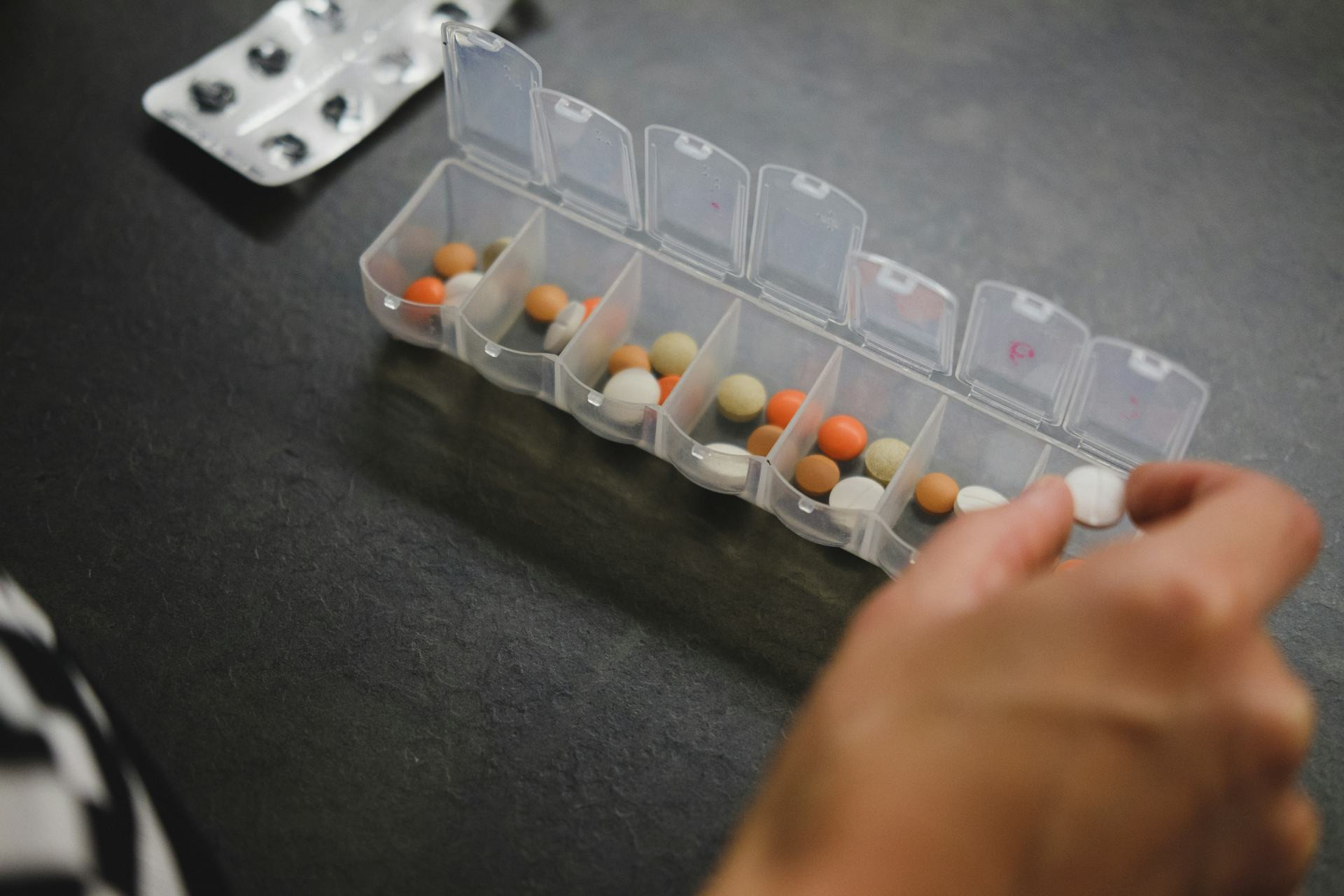
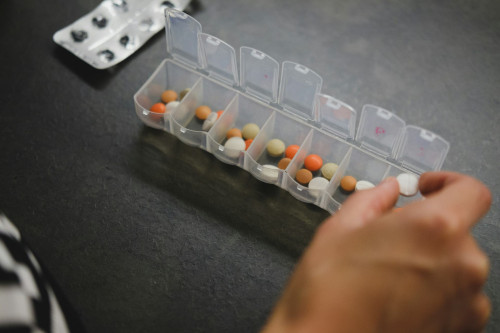
- Pill organizers labeled by day and time – help you stay on track and reduce the risk of mistakes.
- Phone reminders or smart speakers – great for keeping you on schedule, especially if your doses vary.
- Visible placement – keep your medication somewhere you naturally pass by, but always out of reach of children and pets.
Talk Openly with Your Pharmacist or Healthcare Provider
If you find it difficult to stick to your medication plan, you’re not alone. Many people miss doses or stop treatment early because they’re unsure about side effects or how the medication is working. A conversation with your pharmacist or healthcare provider can make a big difference.
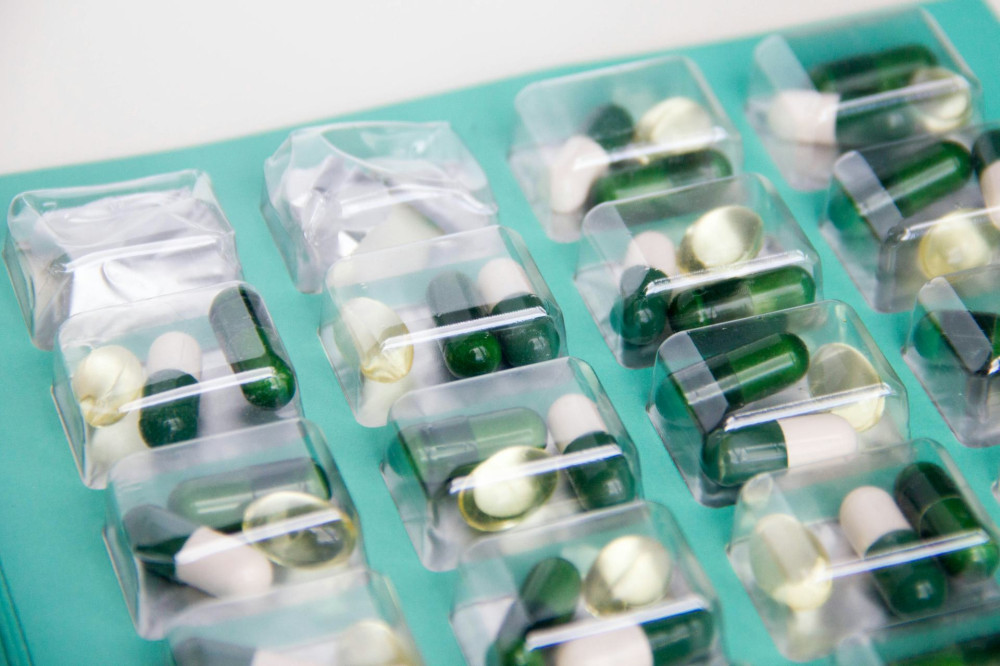
Pharmacists can review your medications, explain how they work together, and suggest practical solutions—such as blister packs or pre-sorted dose packaging, which can be especially helpful if you take multiple medications each day. Your doctor can also help adjust your plan if timing or side effects are making adherence difficult.
Keep Medication Safe and Properly Stored
A good medication routine isn’t just about remembering to take your pills—it’s also about storing them safely and correctly. Most medications should be kept in a dry place at room temperature, but some need refrigeration. Always read the label or patient information, and ask your pharmacist if you’re unsure.
Make sure medications are stored securely, away from children and pets, and check expiration dates regularly. Expired or unused medications should be disposed of safely—many U.S. pharmacies and local law enforcement agencies offer take-back programs for this purpose.
Make It a Shared Responsibility
If you live with others, it can help to involve them in your medication routine. A partner, family member, or caregiver can remind you of times or help refill your pill organizer. Many people find comfort in knowing they’re not managing it all alone.
It’s also a good idea to let your loved ones know what medications you take and why. This not only helps them support you but can also be important in case of illness or emergency.
When Routine Becomes Second Nature
Taking medication doesn’t have to feel like a burden. Once you find a rhythm that fits your lifestyle, it quickly becomes a natural part of your day—just like eating breakfast or brushing your teeth. It’s all about creating structure, using the tools available, and giving yourself time to find what works best for you.
With a little planning and consistency, you can make your medication routine a calm and reliable part of everyday life—helping you get the most benefit from your treatment and supporting your overall well-being.
Læs også: