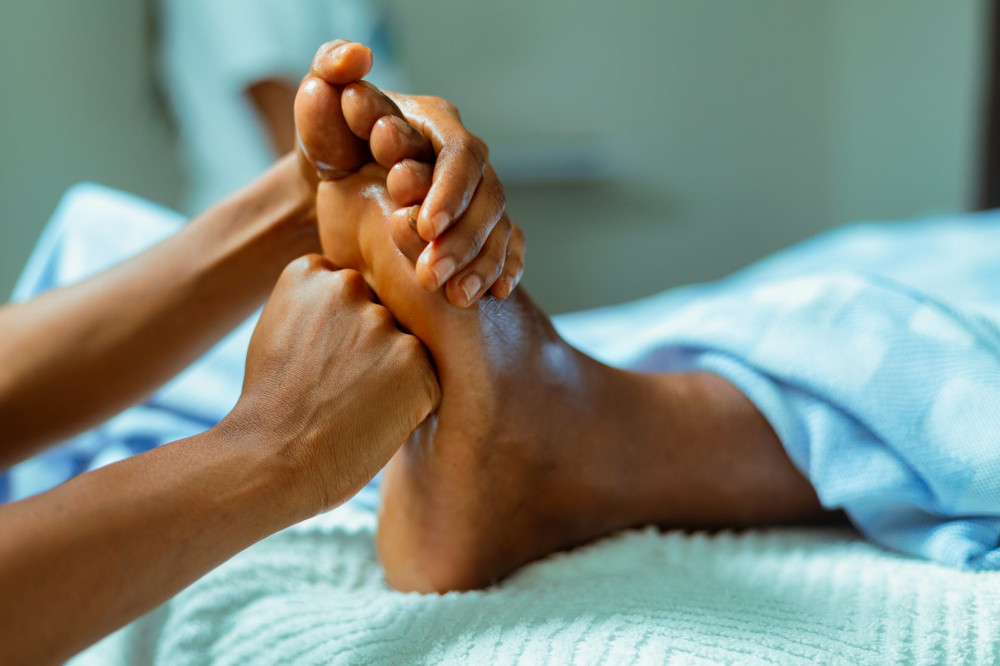
Overworked Feet? How to Prevent Pain and Irritation

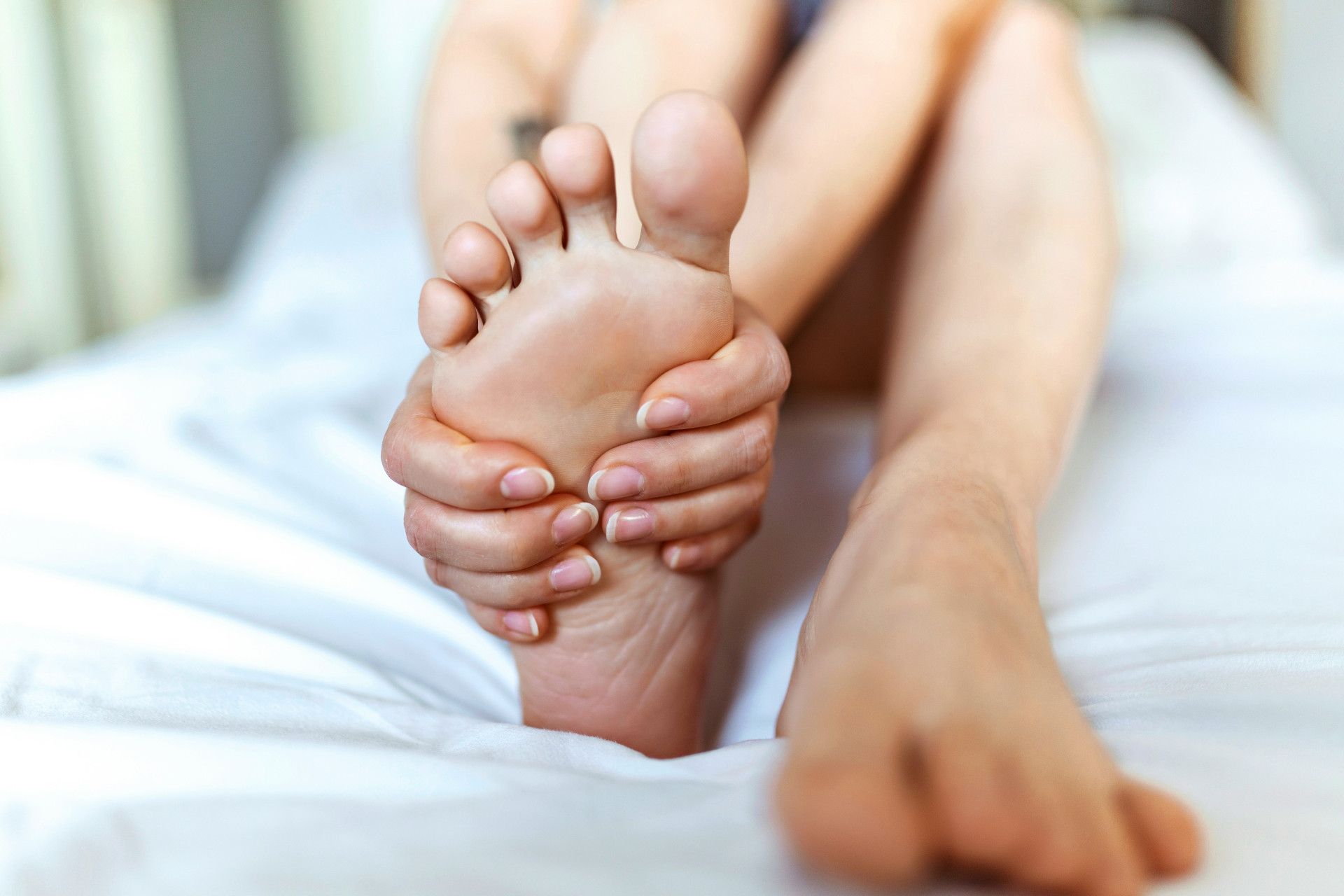
Overworked Feet? How to Prevent Pain and Irritation
Our feet carry us through every step of life—literally. Yet many of us only notice them when they start to hurt. Foot pain and irritation are common, especially for people who spend long hours standing or walking. The good news? With a few simple habits and some attention, you can prevent most problems before they start.
Why Feet Become Overworked
Each foot contains 26 bones, 33 joints, and more than 100 muscles, tendons, and ligaments. They’re built to handle weight and movement, but when they’re pushed too hard without enough rest, pain and inflammation can develop. Common causes include:
- Standing or walking for long periods – common in jobs like retail, healthcare, or food service.
- Poor footwear – shoes that lack support, are too tight, or have worn-out soles.
- Sudden increase in activity – starting a new workout routine or walking more than usual.
- Excess weight – extra pounds increase pressure on the feet.
- Foot misalignment – flat feet or high arches can change how weight is distributed.
When your feet don’t get time to recover, you may experience pain in the heels, arches, toes, or ankles—and in some cases, chronic discomfort.
Læs også:
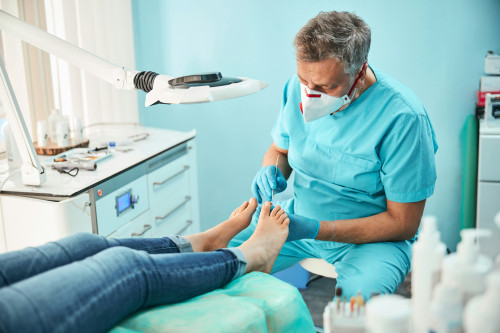
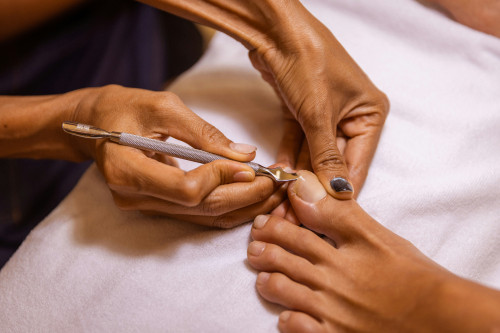
Recognize the Early Warning Signs
Catching problems early can prevent long-term pain. Watch for these signs:
- Tenderness or soreness, especially in the morning or after rest.
- Swelling or redness around the heel or forefoot.
- A burning or tingling sensation after a long day.
- Tired, heavy feet even after light activity.
Listening to these signals and taking action early can make a big difference.
Choose the Right Footwear
The right shoes are essential for healthy feet. They should support—not squeeze—your feet. Look for:
- Good arch support – helps distribute weight evenly.
- Cushioned soles – absorb shock and reduce pressure.
- Roomy toe box – prevents crowding and irritation.
- Firm heel counter – adds stability and reduces strain.
- Regular replacement – worn-out shoes lose their support.
If you have specific foot issues, consider custom orthotics or insoles. Many running stores and podiatrists offer gait analysis to help you find the right fit.
Give Your Feet Rest and Movement
It might sound contradictory, but your feet need both rest and movement. Variety is key.
- Change positions often – avoid standing still for long stretches.
- Do simple foot exercises – roll your foot over a tennis ball, stretch your toes, or lift your heels to strengthen muscles.
- Go barefoot on soft surfaces like grass or sand to encourage natural movement.
- Elevate your feet during breaks to reduce swelling and improve circulation.
These small habits can make your feet feel lighter and more energized.
Be Careful When Starting New Activities
Many people develop foot pain when they begin running, hiking, or exercising more than usual. Increase your activity level gradually, and wear shoes designed for your chosen activity. Listen to your body—pain is a sign to slow down.
If discomfort persists, a physical therapist or podiatrist can assess your gait and recommend exercises or supports to prevent further strain.
Care for Your Feet—Even When They Don’t Hurt
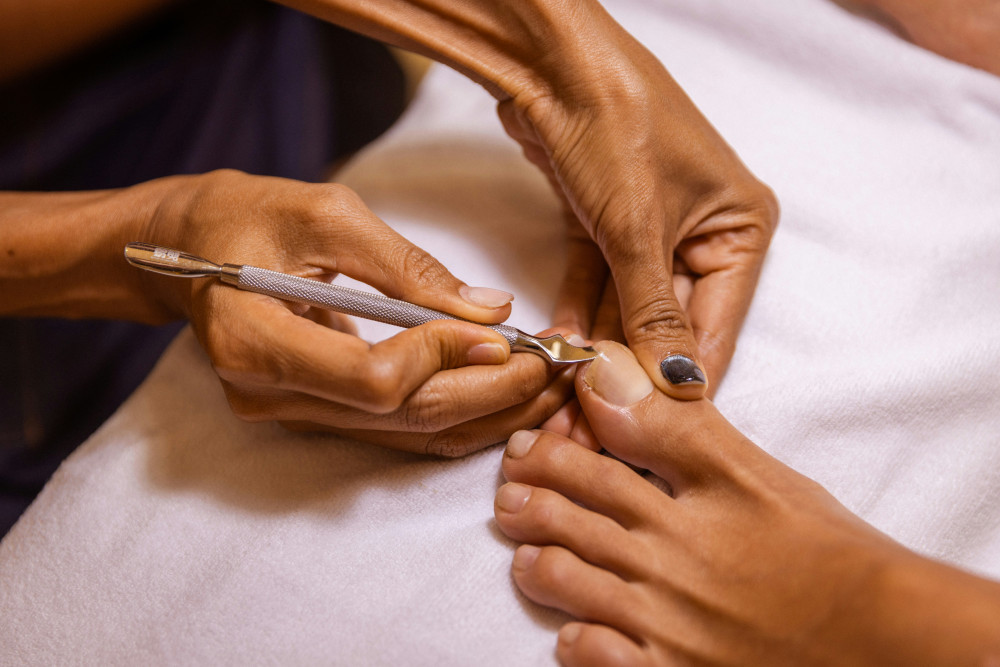
Prevention isn’t just about shoes and movement; it’s also about daily care. Wash and dry your feet thoroughly, especially between the toes, and apply moisturizer to prevent dryness and cracking. Trim your toenails straight across, and keep an eye on calluses or hard skin that can cause pressure points.
A warm foot soak after a long day can also help relax muscles and improve circulation.
When to Seek Professional Help
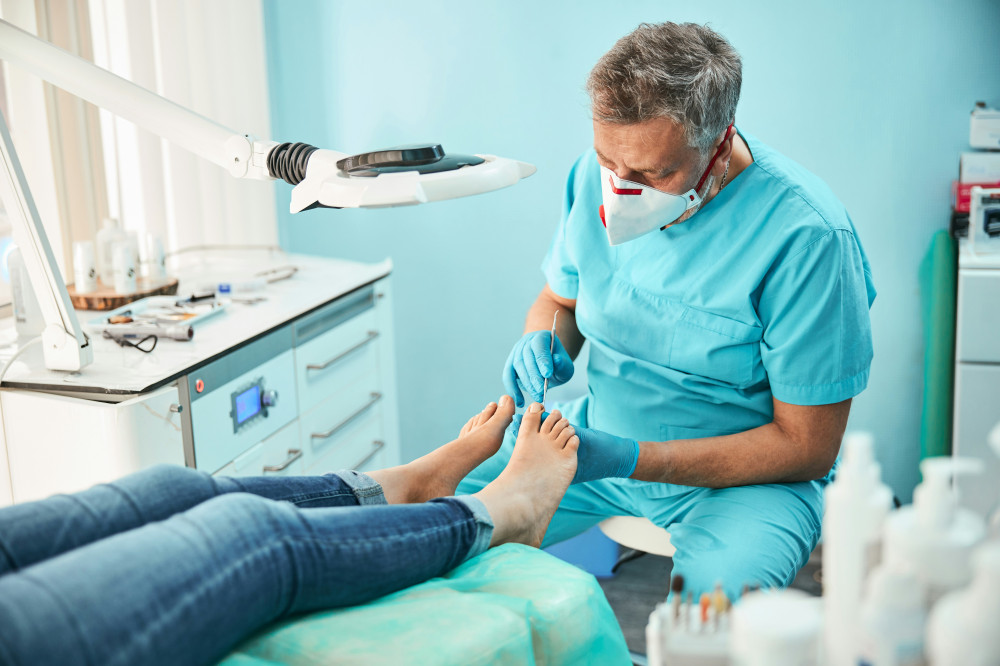
If pain lasts more than a few weeks, or if you notice swelling, discoloration, or sharp pain, it’s time to see a professional. A podiatrist or physical therapist can identify the cause and create a treatment plan to get you back on your feet—literally.
Early attention can prevent a minor irritation from turning into a long-term injury.
Your Feet Deserve Care
We often take our feet for granted, but they’re the foundation of our movement and balance. By choosing supportive shoes, varying your activity, and giving your feet the care they deserve, you can prevent pain and keep moving comfortably through your day.
Læs også: