Nail Problems? How a Podiatrist Treats Them with Correction Techniques

Nail Problems? How a Podiatrist Treats Them with Correction Techniques
Foot nail problems are more common than most people realize. Ingrown toenails, thickened nails, or nails that curve abnormally can cause pain, discomfort, and even infections if left untreated. Fortunately, modern podiatry offers effective, non-surgical solutions to correct these issues. One of the most advanced options is nail correction therapy—a gentle technique that helps the nail return to its natural shape and growth pattern.
What Is Nail Correction?
Nail correction is a conservative treatment in which a podiatrist applies a small brace or composite material to the nail to gradually guide it into a healthier position. Think of it as orthodontics for your toenails. The goal is to relieve pressure on the surrounding skin and encourage the nail to grow straight again.
This method is often used for nails that are starting to grow into the skin or have become overly curved. It can also be used preventively for patients who frequently experience ingrown toenails.
Læs også:

Common Causes of Nail Problems
There are many reasons why toenails can become misshapen or painful. Some of the most frequent causes include:
- Improper trimming – Cutting nails too short or rounding the corners can cause them to grow into the skin.
- Tight footwear – Shoes that squeeze the toes can distort nail growth over time.
- Genetic factors – Some people naturally have more curved nails that are prone to becoming ingrown.
- Injury or trauma – Stubbing or dropping something on a toe can alter how the nail grows.
- Fungal infections – Nail fungus can make nails thick, brittle, and difficult to trim properly.
Before starting treatment, a podiatrist will always assess the underlying cause to ensure the correction addresses both the symptoms and the source of the problem.
How the Treatment Works
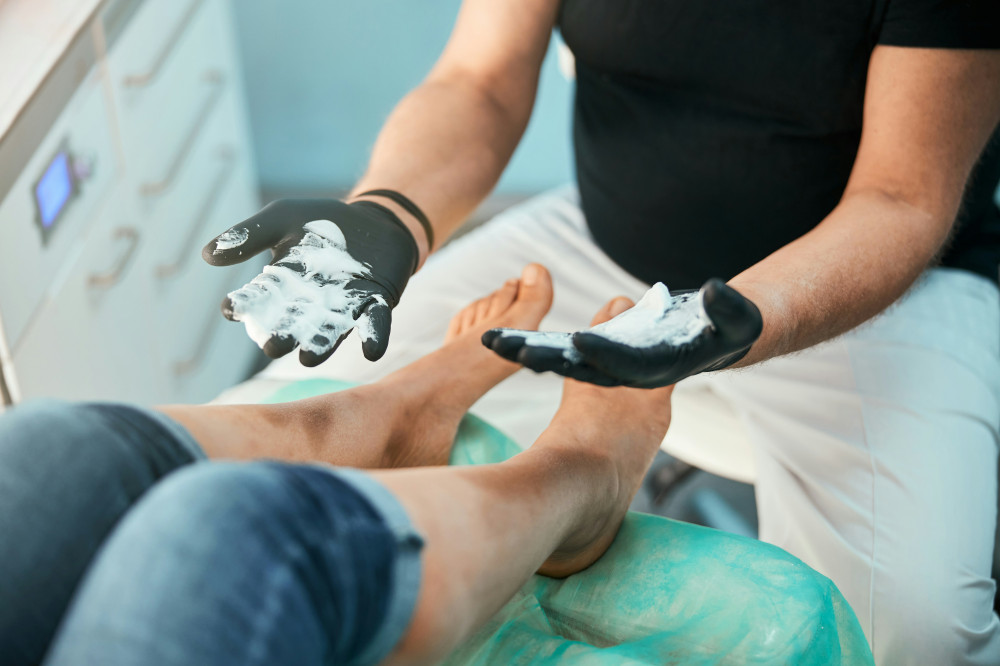
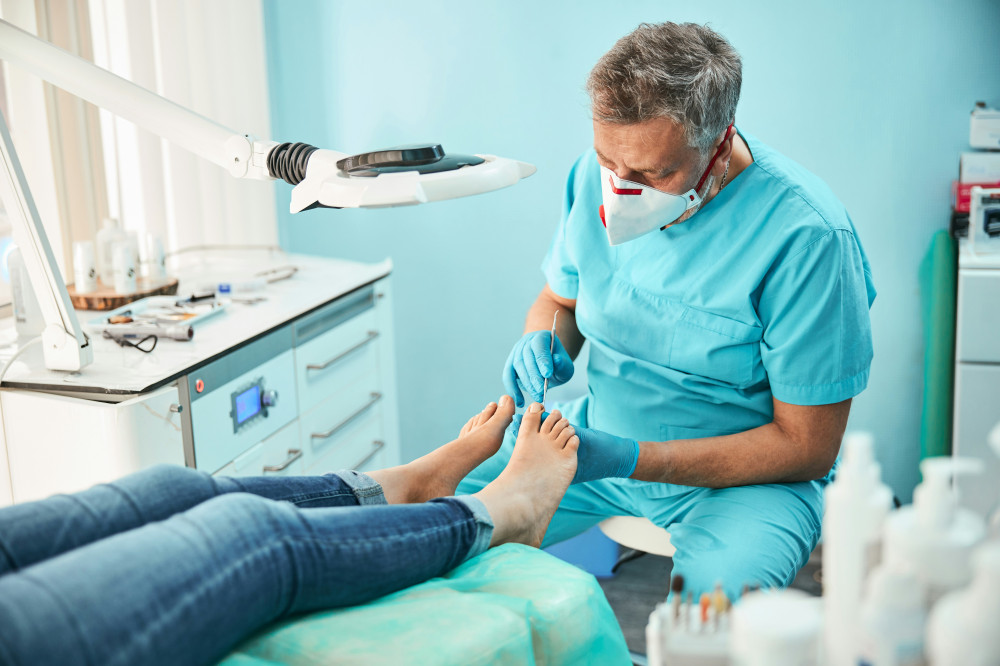
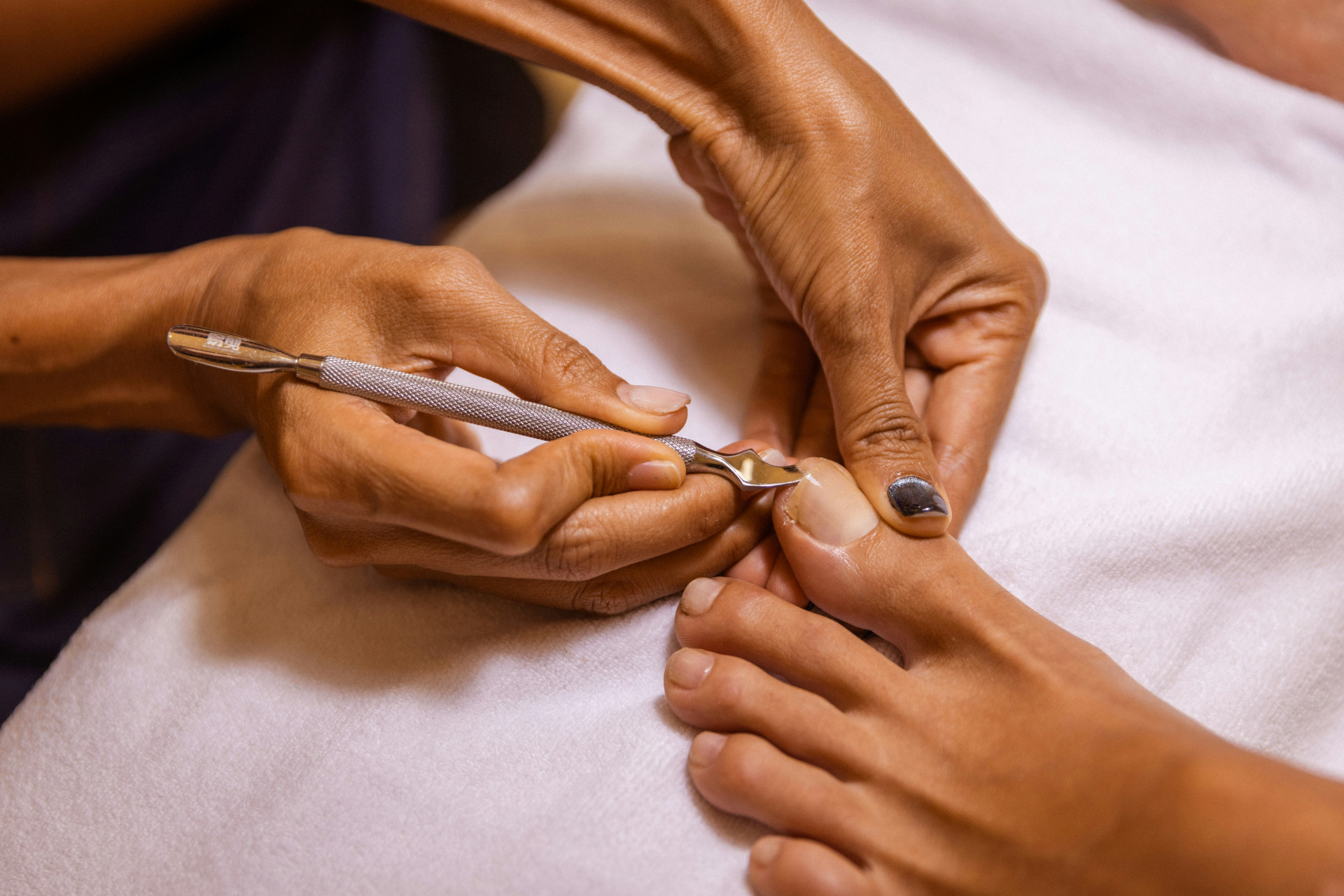
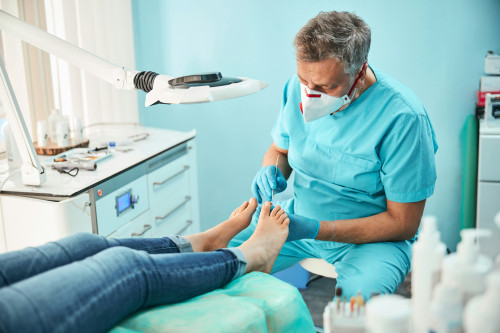
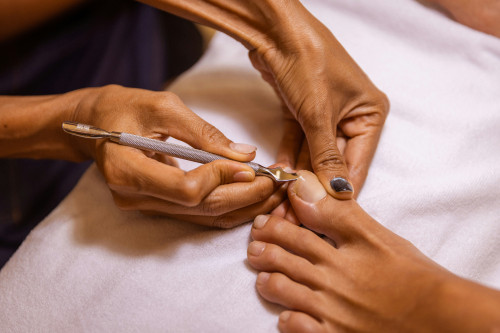
A nail correction procedure begins with a thorough examination of the nail and surrounding tissue. The podiatrist cleans the area, removes any sharp edges, and determines which type of brace or technique is most suitable.
There are several types of correction systems:
- Metal braces – Thin, flexible wires attached to the nail surface that gently lift the edges.
- Composite braces – Light-cured plastic materials molded directly onto the nail for a customized fit.
- Combination systems – A mix of metal and composite materials for precise adjustment and comfort.
The procedure is typically painless, and many patients feel immediate relief as pressure on the nail fold decreases. The brace remains in place for several weeks or months, depending on nail growth, and is adjusted periodically during follow-up visits.
Benefits of Nail Correction Techniques
Compared to surgical removal or repeated trimming, nail correction offers several advantages:
- Preserves the natural nail and its protective function.
- Prevents recurrence by guiding the nail to grow correctly.
- Minimally invasive and comfortable—no anesthesia or downtime required.
- Can be combined with other foot care treatments, such as callus removal or antifungal therapy.
For many patients, this means walking comfortably again without pain or fear of the problem returning.
Aftercare and Home Maintenance
After a nail correction, proper foot care is essential to maintain results. Your podiatrist will provide guidance on how to trim and care for your nails and recommend footwear that allows enough room for your toes.
A few helpful tips:
- Trim nails straight across—avoid rounding the corners too much.
- Choose shoes with a wide toe box to prevent pressure on the nails.
- Keep feet clean and dry, and use a gentle moisturizer if needed.
- Schedule follow-up visits if you notice redness, swelling, or discomfort.
Combining professional treatment with good daily care helps keep your feet healthy and pain-free for the long term.
When to See a Podiatrist
If you experience persistent pain, swelling, or signs of infection around a toenail, it’s important to see a podiatrist promptly. The earlier the issue is treated, the easier it is to correct. Many people wait too long and end up with unnecessary discomfort that could have been avoided with a simple correction.
Your podiatrist may also collaborate with your primary care physician or dermatologist if a fungal infection or other underlying condition is suspected.
Healthy Nails Start with Attention
Nail problems rarely resolve on their own. But with modern correction techniques, a podiatrist can help you regain healthy, pain-free feet—without surgery and with lasting results. All it takes is taking that first step and seeking professional care when your nails start to cause trouble.
Læs også: