Insoles as Part of Comprehensive Foot Health

Insoles as Part of Comprehensive Foot Health
Our feet carry us through every step of life, yet they often go unnoticed until pain or discomfort appears. Many people think of insoles as a quick fix for sore feet, but in reality, they can play a key role in a more comprehensive approach to foot health. It’s not just about cushioning—it’s about understanding how foot function, posture, and movement patterns work together.
The Foot as the Foundation
Each foot contains 26 bones, 33 joints, and more than 100 muscles, tendons, and ligaments. Together, they form the foundation of the body, influencing everything from the knees and hips to the spine and neck. When the natural alignment or movement of the foot changes—due to flat feet, overpronation, or stiffness—it can create imbalances that affect the entire body.
An insole can help restore this balance by supporting the foot’s natural structure and distributing pressure more evenly. However, to achieve lasting results, it’s important to look at the whole body, not just the foot in isolation.
When Insoles Can Help
Insoles can be beneficial in many situations—both for relieving pain and for prevention. They are often used for:
- Plantar fasciitis and heel pain – to reduce strain on the heel and support the arch.
- Flat feet or overpronation – to stabilize the foot and improve gait mechanics.
- Forefoot pain or metatarsalgia – to distribute pressure more evenly across the ball of the foot.
- Knee, hip, or lower back pain – when misalignment in the feet contributes to discomfort higher up the body.
Still, insoles should never stand alone. They work best as part of a broader plan that includes foot exercises, proper footwear, and healthy movement habits.
Læs også:

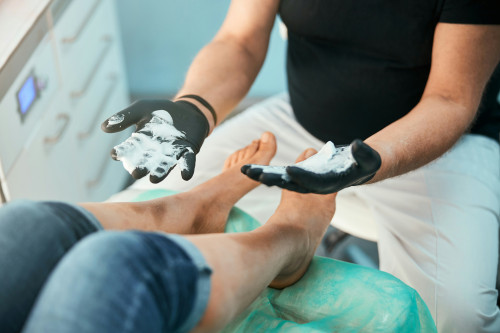
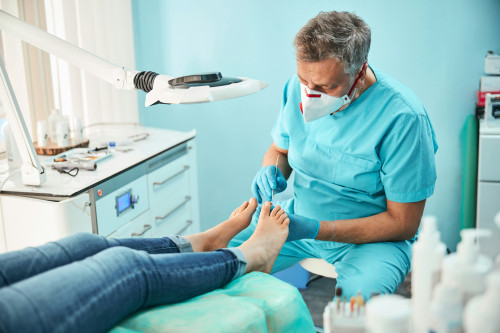
Comprehensive Foot Health – More Than Insoles
A holistic approach to foot health combines several elements:
- Movement and exercise: Simple exercises can strengthen the small muscles of the feet and improve stability. Walking barefoot on safe, varied surfaces can also stimulate sensory feedback and circulation.
- Proper footwear: Shoes should allow room for the toes, have flexible soles, and provide support without squeezing. Even the best insole won’t help if the shoe doesn’t fit properly.
- Posture and gait: A physical therapist or podiatrist can analyze how you move and help correct patterns that may be causing strain.
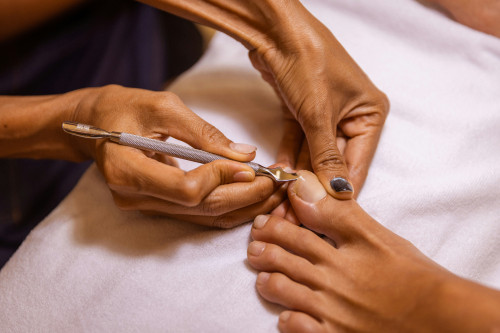
- Preventive care: Keeping the skin moisturized, trimming nails correctly, and checking for early signs of irritation can prevent problems before they start.
When these elements are combined, insoles become a tool within a larger strategy for healthier feet—not a substitute for movement or good foot care.
Custom Solutions for Individual Needs
There are many types of insoles available—from over-the-counter models found in pharmacies and sporting goods stores to custom orthotics made from digital foot scans. A custom insole takes into account the shape of your foot, pressure distribution, and any structural imbalances. While they can be an investment, many people find that they make a significant difference in comfort and function.
It’s important, however, to seek professional guidance. An ill-fitting insole can worsen problems if it alters foot alignment in the wrong way. A podiatrist or other qualified specialist can assess your needs and monitor your progress.
Foot Health as Part of a Healthy Lifestyle
Caring for your feet is an investment in your overall well-being. When your feet function properly, you move more freely, which can boost energy, mood, and general health. Insoles can be an important piece of that puzzle—but only when they’re part of a bigger picture that includes movement, foot care, and body awareness.
Comprehensive foot health ultimately means listening to your body. Your feet have a lot to tell you—if you take the time to pay attention.
Læs også: