Preparing for Your Eye Doctor Visit: What to Expect if You Suspect Pink Eye


Preparing for Your Eye Doctor Visit: What to Expect if You Suspect Pink Eye
Pink eye, or conjunctivitis, is one of the most common reasons people visit an eye doctor. Redness, itching, tearing, or discharge can be uncomfortable and disruptive — and because these symptoms can have many causes, it’s helpful to know what to expect at your appointment and how to prepare.
When to See an Eye Doctor
Mild cases of pink eye sometimes clear up on their own, but there are times when professional care is important. You should schedule an appointment if:
- Your symptoms don’t improve after a few days or seem to be getting worse.
- You experience eye pain, blurred vision, or sensitivity to light.
- There is significant swelling around the eye.
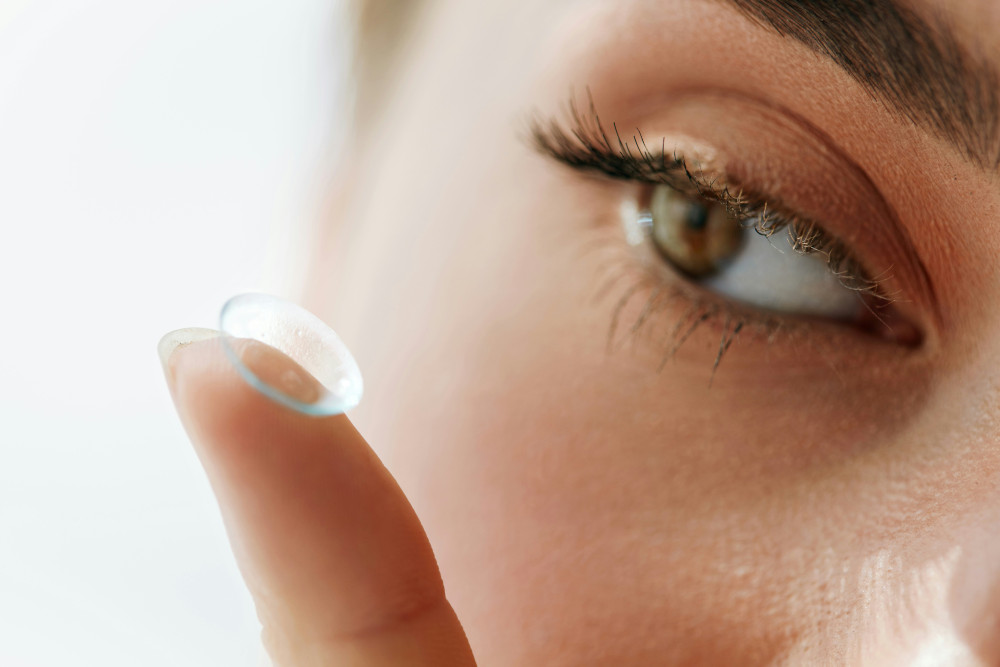
- You wear contact lenses — infections can develop more quickly in lens users.
- You suspect the cause may be bacterial or allergic, which may require specific treatment.
An eye doctor can determine whether your symptoms are due to an infection, an allergic reaction, or another eye condition, and make sure you receive the right care.
What Happens During the Exam
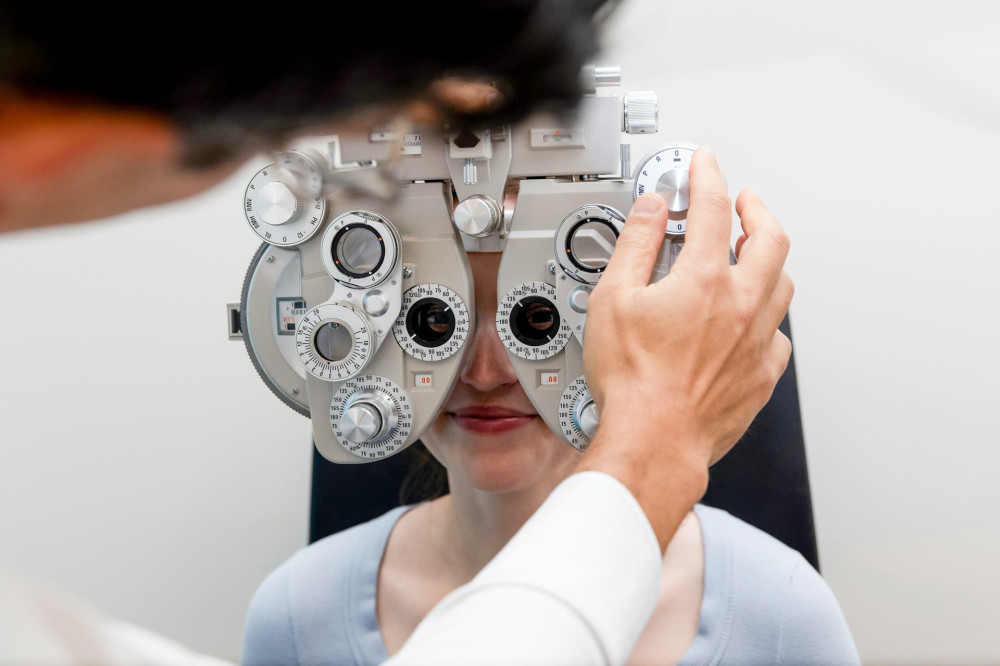
An eye exam for suspected pink eye is usually quick and painless. Your doctor will start by asking about your symptoms — when they began, whether you’ve had similar issues before, and if you use contact lenses or any medications.
Next, the doctor may:
- Examine the surface of your eye and eyelids using a slit lamp, a special microscope that provides a magnified view.
- Check your vision to see if the inflammation is affecting your sight.
- Assess your tear film and any discharge, and sometimes take a small sample to identify bacteria or viruses.
- Inspect your eyelids and tear ducts, since inflammation can also start in these areas.
The exam is thorough but not uncomfortable. If your doctor uses dilating drops, your vision may be blurry for a few hours afterward, so it’s best to arrange a ride or avoid driving immediately after your visit.
Possible Treatments
Treatment depends on the cause of the pink eye:
- Bacterial conjunctivitis is often treated with antibiotic eye drops or ointment.
- Viral conjunctivitis usually clears up on its own, but your doctor may recommend soothing drops and good hygiene practices.
- Allergic conjunctivitis can be managed with antihistamine or anti-inflammatory eye drops.
No matter the cause, follow your doctor’s instructions carefully. Avoid sharing towels, pillowcases, makeup, or contact lenses while your eyes are irritated to prevent spreading or worsening the condition.
How to Prepare for Your Appointment
A little preparation can make your visit more efficient. Consider:
- Writing down your symptoms — when they started and how they’ve changed.
- Bringing a list of any medications or eye drops you use.
- Taking your glasses or contact lenses with you for evaluation.
- Preparing questions you’d like to ask, such as how contagious your condition might be or how to prevent future infections.
The more information you can provide, the easier it will be for your eye doctor to make an accurate diagnosis.
Læs også:


After the Visit: Caring for Your Eyes
Once you’ve received a diagnosis and treatment plan, follow through carefully. Use prescribed drops as directed, and avoid touching or rubbing your eyes. Change pillowcases and towels frequently, and skip eye makeup until the irritation is completely gone.
If your symptoms don’t improve within the expected time frame or return after treatment, contact your eye doctor again. Sometimes an underlying issue needs further attention.
A Simple Visit That Protects Your Vision
Visiting an eye doctor for pink eye might feel inconvenient, but it’s an important step in protecting your vision and comfort. With the right preparation and follow-up, you can get relief quickly and keep your eyes healthy — so you can get back to your daily routine without redness or irritation.
Læs også: