Healthy Habits That Strengthen Both Body and Eyes

Healthy Habits That Strengthen Both Body and Eyes
When we think about health, we often focus on exercise, nutrition, and sleep — but our eyes deserve just as much attention. Good vision affects how we move, work, and experience the world. The good news is that many habits that support overall wellness also benefit our eyes. Here’s how you can strengthen both your body and your vision through everyday choices.
Eat for Better Vision
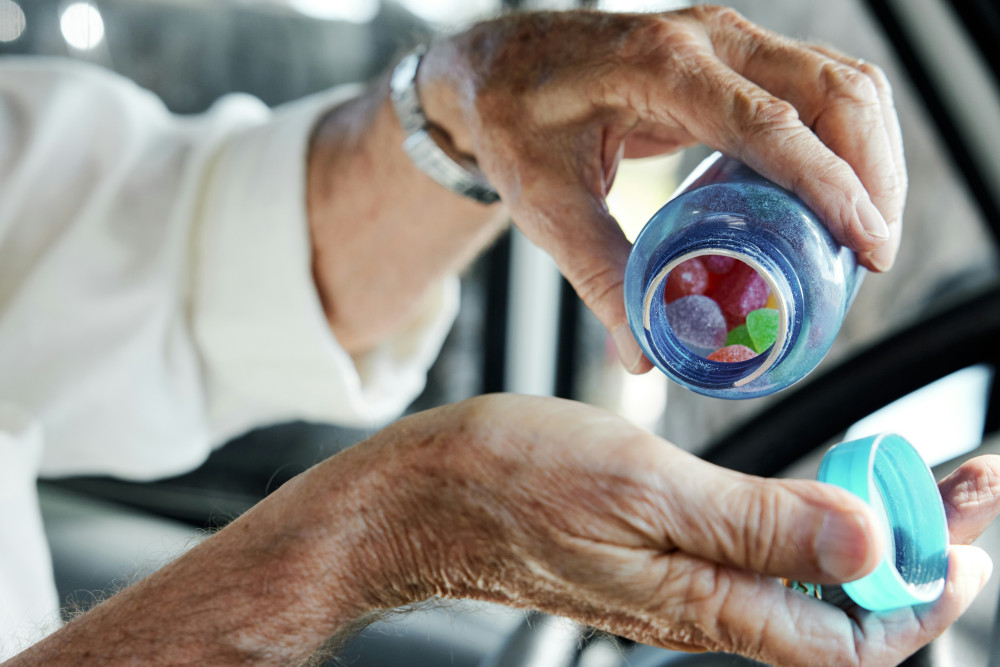
What you eat plays a major role in eye health. The retina and cornea rely on a variety of vitamins and minerals to function properly.
- Colorful vegetables — especially kale, spinach, and broccoli — are rich in lutein and zeaxanthin, antioxidants that help protect against age-related eye diseases.
- Fatty fish such as salmon, tuna, and sardines provide omega-3 fatty acids, which support tear production and help prevent dry eyes.
- Vitamin C and E from citrus fruits, berries, and nuts protect eye cells from oxidative stress.
- Zinc, found in lean meats, eggs, and whole grains, supports the retina’s ability to process light.
A colorful, balanced diet isn’t just good for your heart — it’s also an investment in your long-term vision.
Læs også:
Move to Improve Circulation — Including to the Eyes
Regular physical activity boosts blood flow throughout the body, including the tiny vessels that nourish the eyes. This can help lower the risk of conditions like glaucoma and diabetic eye disease, both of which are linked to poor circulation.
You don’t need to run a marathon to see benefits. Brisk walking, cycling, or swimming a few times a week can make a real difference. The key is to find an activity you enjoy so it becomes a lasting habit.
Give Your Eyes a Break from Screens
Many Americans spend hours each day in front of computers, phones, and TVs. This can lead to eye strain, dryness, and tension in the neck and shoulders. A simple rule can help: the 20-20-20 rule. Every 20 minutes, look at something at least 20 feet away for 20 seconds. It gives your eye muscles a much-needed rest.
Make sure your screen is positioned at a comfortable height, and keep your workspace well lit. Remember to blink often — it helps keep your eyes moist and comfortable.
Sleep Your Way to Healthier Eyes
Sleep is the body’s repair time, and that includes your eyes. During rest, your eyes restore moisture balance and clear away debris. Too little sleep can cause redness, irritation, and reduced focus.
Most adults need 7–8 hours of sleep each night. A consistent bedtime, a cool and dark bedroom, and limiting screen time before bed can all help you get the rest your eyes need.
Protect Your Eyes from Sun and Smoke
Ultraviolet (UV) rays can damage the lens and retina over time. Always wear sunglasses that block 100% of UVA and UVB rays when you’re outdoors — even on cloudy days. It’s a simple habit that helps prevent cataracts and other sun-related eye damage.
Smoking is one of the leading risk factors for vision loss and age-related macular degeneration. If you smoke, quitting is one of the best things you can do for both your eyes and your overall health.
Schedule Regular Eye Exams
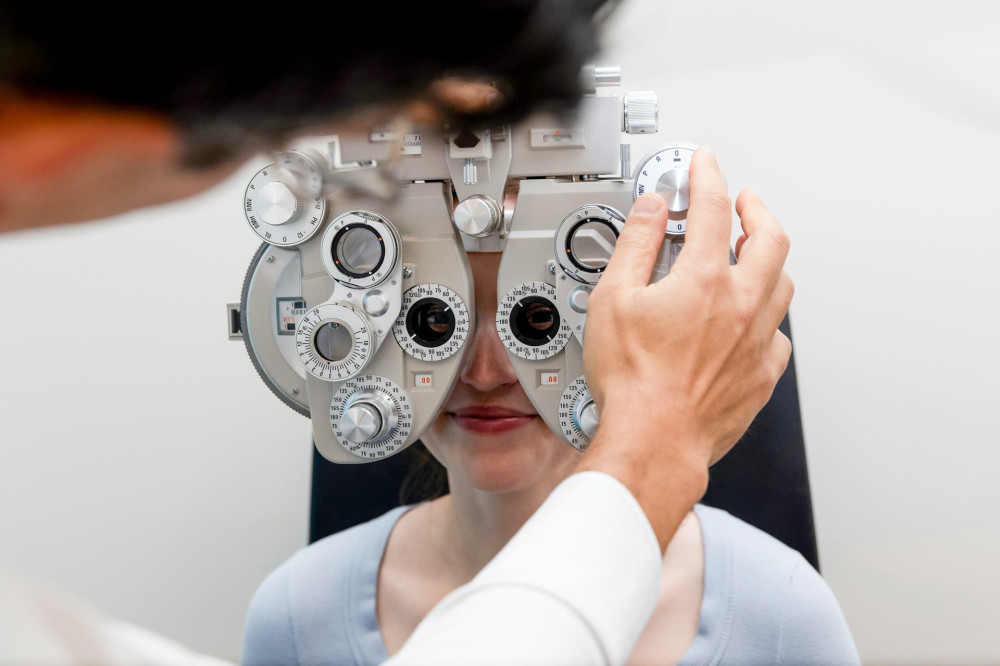
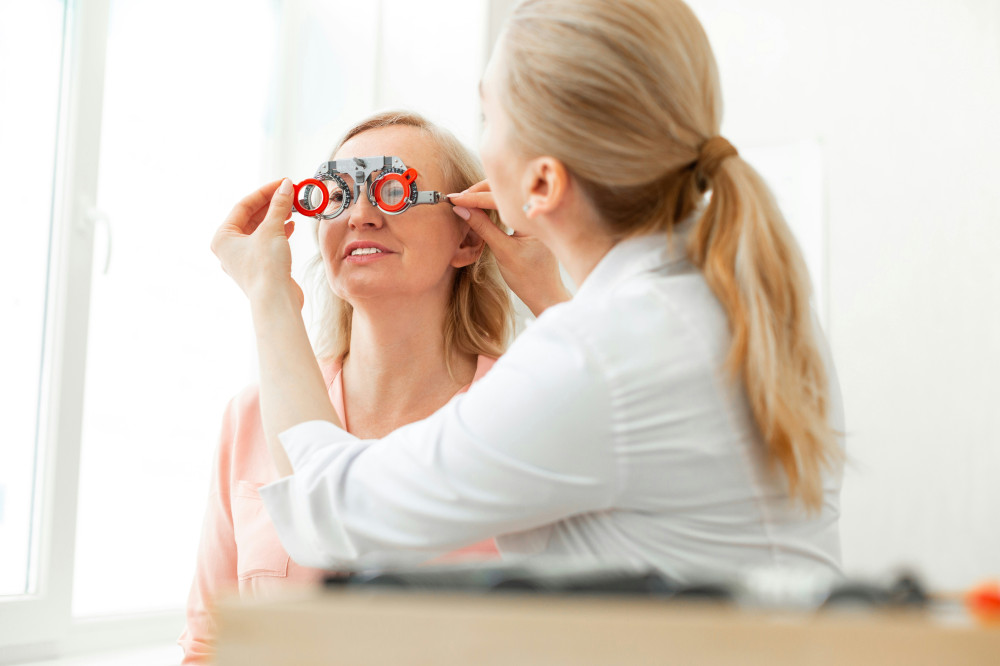
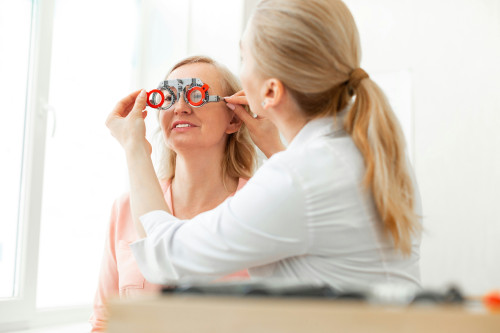
Even if your vision seems fine, regular eye exams are essential. Many eye diseases develop slowly and without obvious symptoms at first. A routine checkup can detect changes early, when treatment is most effective.
Adults should generally have a comprehensive eye exam every two years — more often if you have diabetes, high blood pressure, or a family history of eye disease.
Small Steps, Big Impact
Caring for your eyes doesn’t require major changes. It’s about building small, healthy habits into your daily life — eating well, staying active, taking screen breaks, and protecting your eyes from strain and damage. When you care for your overall health, you’re also giving your eyes the best chance to stay clear and strong for years to come.
Læs også: