How Your Muscles Get Stronger – Explained Simply

How Your Muscles Get Stronger – Explained Simply
Many people dream of getting stronger—whether the goal is to lift heavier weights, have more energy during the day, or simply feel healthier. But what actually happens inside your body when your muscles grow, and how can you help the process along? Here’s a simple explanation of how your muscles get stronger and what you can do to support them.
Muscles Grow When They’re Challenged
Your muscles are made up of thousands of tiny fibers. When you exercise—by lifting weights, doing push-ups, or biking uphill—you put stress on those fibers. This stress causes microscopic damage to the muscle tissue, which your body then repairs.
It’s during this repair process that your muscles become stronger. The body rebuilds the fibers slightly thicker and more resilient so they can handle the same challenge next time. This process is called muscle adaptation.
Læs også:


Rest Is Just as Important as Training
It might seem logical to train every day to get stronger faster, but muscle growth actually happens while you rest. When you sleep and recover, your body uses energy to rebuild those muscle fibers.
That’s why rest days are essential. Most people should allow at least one day of rest between intense workouts for the same muscle group. Without enough recovery, you risk overtraining and injury—and your progress can stall.
Nutrition Provides the Building Blocks
For your muscles to grow, your body needs the right building materials. Protein is the most important nutrient for muscle repair and growth because it provides amino acids, which are used to rebuild muscle tissue.
Good sources of protein include lean meats, fish, eggs, dairy products, beans, and lentils. Your body also needs carbohydrates for energy and healthy fats to support hormone balance. A balanced diet with plenty of fruits, vegetables, whole grains, and water is key to getting the most out of your workouts.
Strength Training – The Most Effective Path
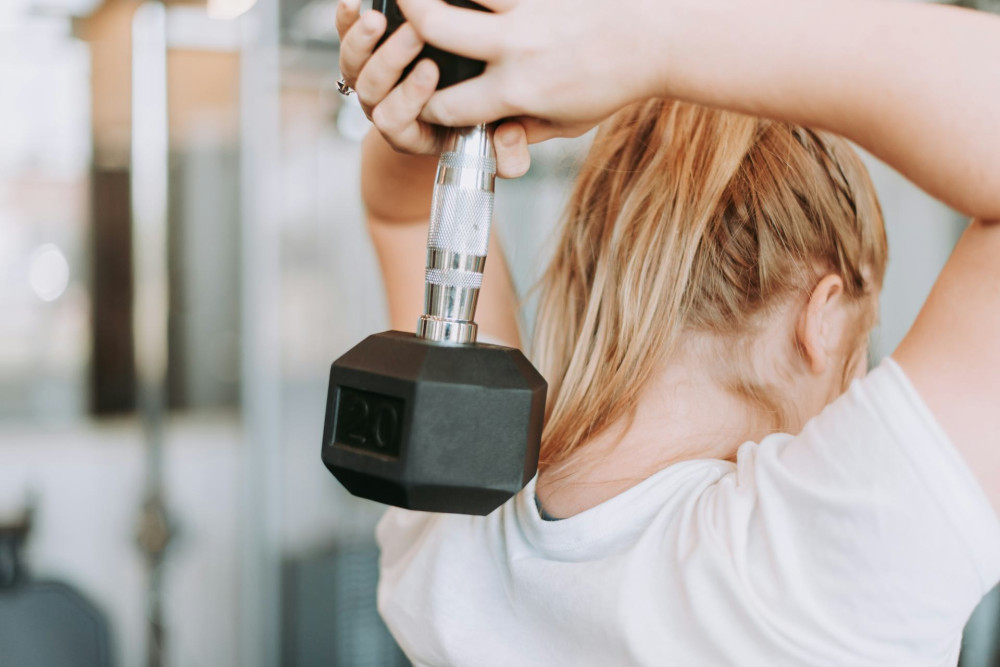
While many types of exercise make your body stronger, strength training is the most direct way to increase muscle strength. You can use weights, machines, resistance bands, or just your own body weight.
If you’re new to strength training, start slowly and focus on proper form. Exercises like squats, deadlifts, push-ups, and planks work large muscle groups and build a solid foundation. As you get stronger, gradually increase the resistance—this is called progressive overload, and it’s the key to continued improvement.
Strength Isn’t Only About Size
It’s a common misconception that bigger muscles always mean greater strength. Strength also depends on how efficiently your nervous system can activate your muscles. With regular training, your brain and nerves learn to “switch on” more muscle fibers at once. That’s why you can get stronger even before your muscles visibly grow.
This is also why beginners often notice quick strength gains in the first few weeks of training—long before they see major changes in the mirror.
Age and Gender Matter – But Everyone Can Get Stronger
Muscles respond to training at any age, regardless of gender. It’s true that muscle mass naturally decreases as we get older, but regular strength training can slow or even reverse that process. Even people in their 70s and beyond can build strength, improve balance, and enhance quality of life through consistent exercise.
Women generally have less muscle mass than men, but they can achieve the same relative improvements in strength. Getting stronger isn’t about becoming “big”—it’s about becoming strong for your own body.
How to Get Started
If you want to start building strength, keep it simple:
- Choose 5–6 basic exercises that work your whole body—such as squats, lunges, push-ups, rows, planks, and crunches.
- Train 2–3 times per week, with at least one rest day in between.
- Focus on good form before adding more weight.
- Eat a balanced diet and get enough protein.
- Sleep well—aim for 7–9 hours per night.
Small, consistent steps matter more than pushing yourself too hard at the beginning. Over time, you’ll notice your body getting stronger and everyday tasks feeling easier.
Strength Is Also About Well-Being
Getting stronger isn’t just about muscles or numbers on a barbell. It’s about feeling more energetic, improving your posture, and handling daily challenges with confidence. When you train and take care of your body, you’re not only building muscle—you’re building a stronger, healthier version of yourself.
Læs også: