Functional Training – An Investment in Your Future Strength and Mobility


Functional Training – An Investment in Your Future Strength and Mobility
Functional training has become one of the most talked-about trends in modern fitness—and for good reason. Instead of isolating individual muscles, functional training focuses on strengthening the body as a whole. The exercises mimic the movements you use in everyday life—lifting, carrying, twisting, pushing, and pulling—helping you become stronger, more mobile, and better prepared for life’s physical demands.
But functional training isn’t just for athletes or fitness enthusiasts. It’s an investment in your long-term strength, balance, and mobility—no matter your age or fitness level.
What Is Functional Training?
Functional training is based on the idea that your body should be trained to perform the movements you rely on every day. Rather than sitting in machines that target one muscle at a time, you work with your entire body through natural movement patterns.
Typical exercises include squats, lunges, deadlifts, planks, kettlebell swings, and various rotational and balance movements. Many of these can be done using your own body weight or simple tools like dumbbells, resistance bands, or medicine balls.
The goal is to build a strong, stable, and resilient body that moves efficiently—both in the gym and in daily life.
Why It’s an Investment in Your Future
When you train functionally, you’re not just strengthening muscles—you’re also improving the connective tissues, joints, and nervous system that support your body. This creates a foundation of durability that helps prevent injuries and makes you more resilient to physical stress.
As we age, we naturally lose muscle mass and flexibility, but functional training can significantly slow that process. It enhances balance, coordination, and reaction time—skills that are essential for maintaining independence and quality of life as you get older.
In short, functional training isn’t just about getting stronger now—it’s about staying strong later.
Training That Makes Sense in Everyday Life
One of the biggest advantages of functional training is how directly it translates to real life. When you lift a heavy grocery bag, get up from a chair, or carry a child, you’re using the same movement patterns you practice in functional exercises.
By strengthening these movements, you become better equipped to handle daily physical tasks without strain or discomfort. Many people find that they experience fewer aches in their back, shoulders, and knees because they’ve learned to move more efficiently and with better body control.
Læs også:



How to Get Started
You don’t need a fancy gym or expensive equipment to start functional training. You can make great progress with just your body weight and a bit of space. Here are a few simple tips to begin:
- Start with the basics such as squats, planks, and hip hinges. Focus on proper form before adding weight.
- Train your whole body—functional training is about how muscles work together, not in isolation.
- Incorporate balance challenges using a stability ball or balance pad to engage your core.
- Add rotational and multi-directional movements to make your workouts more realistic and effective.
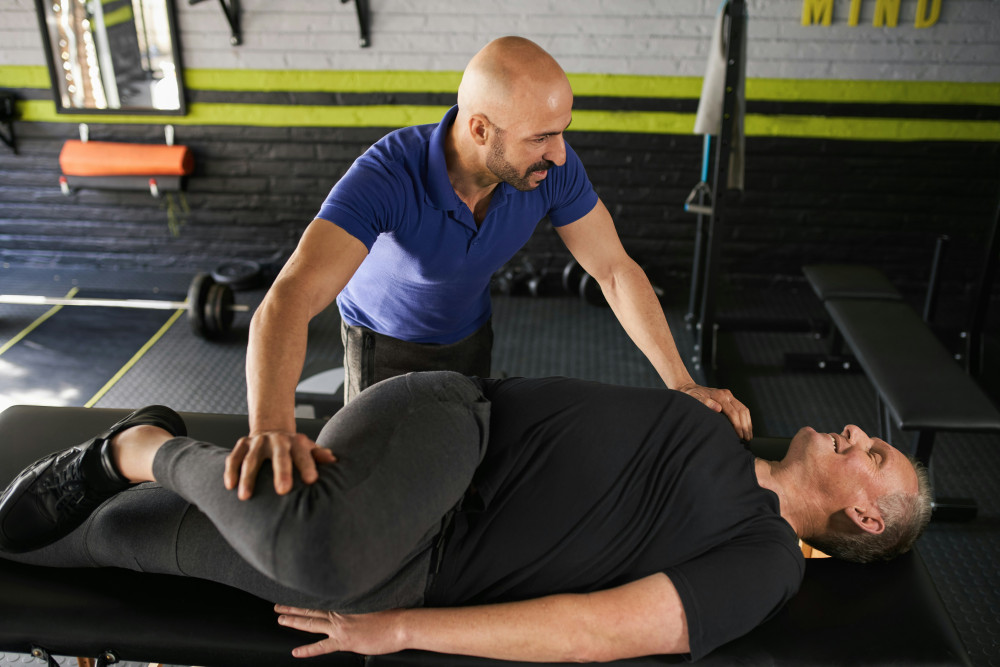
- Seek guidance if you’re new. A certified personal trainer or physical therapist can help you find the right level and avoid injury.
Motivation and Variety
Functional training can be adapted to any fitness level, which is one reason so many people stick with it. The exercises are endlessly variable, allowing you to continually challenge your body in new ways.
You can combine strength, cardio, and mobility in a single session, making it both efficient and time-saving. Many find it more motivating than traditional workouts because it has a clear purpose: improving how your body performs in real life.
A Stronger, More Mobile Future
At its core, functional training is about taking responsibility for your body’s future. It’s a form of exercise that focuses not just on appearance, but on function—on moving freely, safely, and with confidence.
Whether you’re 25 or 65, you can benefit from making functional training part of your routine. It’s an investment that pays off—not only in strength and energy, but in long-term health, independence, and the freedom to live an active life.
Læs også: