Medicine and Technology: Digital Tools That Help Seniors Manage Their Medications Correctly


Medicine and Technology: Digital Tools That Help Seniors Manage Their Medications Correctly
For many older adults, keeping track of multiple prescriptions can be a daily challenge. Different pills, dosages, and schedules can easily become confusing, especially when memory or vision issues come into play. Fortunately, advances in digital health technology are making it easier for seniors to take their medications safely and on time. From smart pill dispensers to voice assistants, these tools offer peace of mind, independence, and support for both seniors and their families.
The Challenge of Managing Medications
In the United States, nearly 90% of adults over 65 take at least one prescription medication, and many take several. Managing multiple prescriptions can be complicated—some must be taken with food, others on an empty stomach, and certain combinations can cause side effects. Missed or incorrect doses can lead to serious health problems or hospital visits.
That’s why healthcare providers and technology companies are increasingly focusing on digital solutions that help seniors stay on track with their medication routines—without adding stress or complexity.
Smart Pill Dispensers: A Reliable Daily Helper
One of the most practical innovations for seniors is the smart pill dispenser. These devices store medications and automatically release the correct dose at the right time. When it’s time to take a pill, the dispenser alerts the user with a sound or light signal. Some models even send notifications to caregivers or family members if a dose is missed.
Smart dispensers reduce the risk of errors and eliminate the need to manage multiple pill bottles or weekly organizers. For many families, they provide reassurance that medication is being taken correctly, even when loved ones live independently.
Medication Reminder Apps
For tech-savvy seniors who use smartphones or tablets, medication reminder apps can be a simple and effective solution. These apps send alerts when it’s time to take a dose and can track whether the medication was taken. Some apps allow users to share this information with family members or healthcare providers.
Popular options in the U.S. include apps that integrate with pharmacy services, making it easy to refill prescriptions or receive reminders when supplies are running low. For seniors who prefer digital independence, these apps can be a convenient way to stay organized.
Telehealth and Remote Monitoring
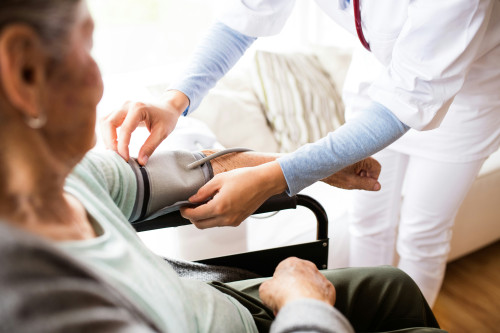
The rise of telehealth has transformed how seniors interact with healthcare professionals. Through remote monitoring, doctors and nurses can track vital signs such as blood pressure, blood sugar, or heart rate from home. This data helps providers adjust medications as needed—without requiring frequent office visits.
For seniors with chronic conditions like diabetes or heart disease, telehealth tools can prevent complications and ensure that treatments remain effective. Many Medicare plans now cover telehealth services, making them more accessible than ever.
Voice Assistants and Smart Home Devices
Not all seniors are comfortable using screens or apps. For them, voice-activated assistants like Amazon Alexa or Google Assistant can be a great alternative. These devices can be programmed to give friendly reminders about medication times, appointments, or even hydration. Seniors can simply ask, “Did I take my medication today?” and receive an answer.
Voice assistants make technology more approachable and can be integrated into other smart home systems, such as lighting or emergency alert devices, to create a safer living environment.
Læs også:


Peace of Mind for Families and Caregivers
Digital medication tools don’t just help seniors—they also bring peace of mind to families and caregivers. Knowing that reminders, alerts, and monitoring systems are in place reduces worry and allows loved ones to focus on quality time rather than daily medication management.
For seniors, these tools support independence. They can continue living at home longer, confident that their medication routine is under control.
The Future of Digital Medication Support
The future of medication management is becoming even smarter. Researchers are developing intelligent packaging that tracks when a pill is removed and AI-powered systems that can predict when a user might forget a dose. Integration with wearable devices, such as smartwatches, will make it possible to monitor health data and medication adherence in real time.
However, the most successful technologies will be those that remain simple, intuitive, and adaptable to individual needs. The goal is not to replace human care but to enhance it.
A Digital Helping Hand for Healthier Aging
Taking medication correctly is essential for maintaining health and independence in later life. With the right digital tools, seniors can manage their medications more easily, avoid mistakes, and feel more confident in their daily routines. Technology can’t replace compassion or personal connection—but it can offer a valuable helping hand toward a safer, healthier, and more independent life.
Læs også: