Listen to Your Body After Giving Birth: Take Your Time and Avoid Pushing Too Soon


Listen to Your Body After Giving Birth: Take Your Time and Avoid Pushing Too Soon
After giving birth, your body begins one of the most profound recovery processes it will ever experience. Muscles, joints, hormones, and emotions all need time to find a new balance—and that doesn’t happen overnight. Yet many new mothers in the U.S. feel pressure to “bounce back,” return to work, or resume exercise quickly. The truth is, the best thing you can do for yourself and your baby is to listen to your body and allow it the time it needs to heal.
Your Body Needs Recovery
Even an uncomplicated birth is a major physical event, comparable to running a marathon. The uterus must contract back to its pre-pregnancy size, the pelvic floor needs to regain strength, and hormone levels shift dramatically. It’s completely normal to feel tired, sore, and emotionally sensitive in the weeks that follow.
Recovery isn’t just about rest—it’s about giving your body the right conditions to heal. Eat nourishing foods, stay hydrated, and sleep whenever you can, even if it’s in short stretches. This is not the time to push yourself; it’s the time to let your body do its quiet, powerful work of recovery.
The Pelvic Floor – The Foundation of Postpartum Strength
Your pelvic floor plays a key role in your recovery. During pregnancy and childbirth, these muscles stretch and bear significant strain. Many women experience urinary leakage or a feeling of heaviness in the pelvic area afterward. These symptoms are common, but they deserve attention.
You can start gentle pelvic floor exercises—often called Kegels—when you feel ready, sometimes just a few days after birth. These should never cause pain; they’re meant to help you reconnect with your muscles. If you’re unsure how to begin, a pelvic floor physical therapist can guide you. In the U.S., many physical therapists specialize in postpartum care, and your OB-GYN can refer you to one.
Easing Back Into Movement
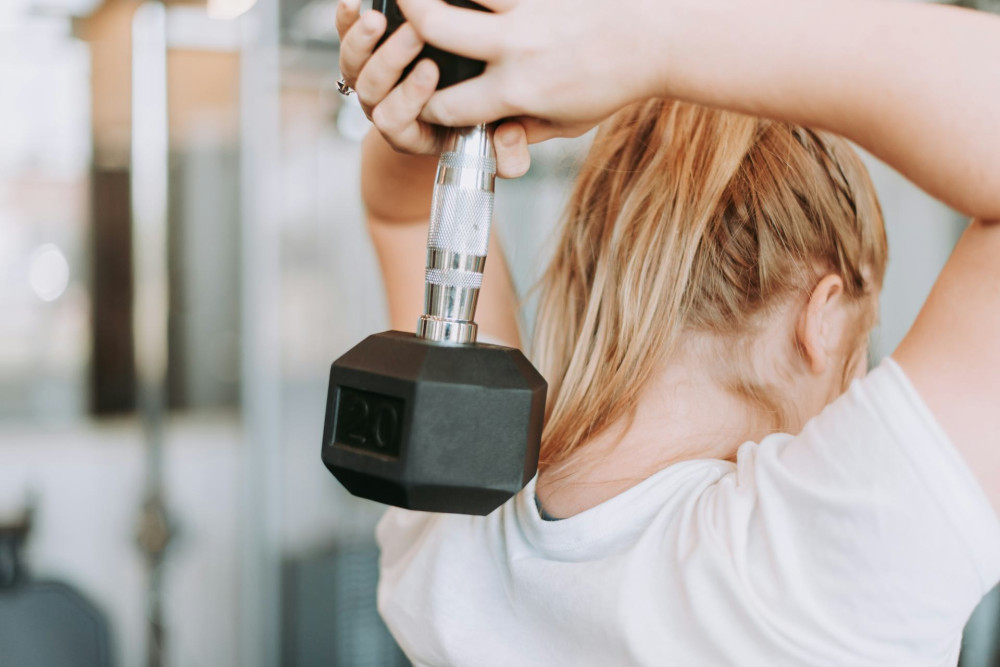
Many new mothers look forward to exercising again, but it’s important to take it slowly. For the first six to eight weeks, focus on light movement—short walks, gentle stretching, and breathing exercises. Once your healthcare provider clears you, you can gradually increase intensity, but only if your body feels ready.
A good rule of thumb: if you experience pain, pressure, or leakage during activity, it’s a sign to ease up. Remember, postpartum recovery isn’t about “getting your body back.” It’s about rebuilding strength and confidence in your body’s new phase.
The Emotional Side – Patience and Self-Compassion
Postpartum recovery isn’t just physical. Many women experience emotional ups and downs, anxiety, or self-doubt. Hormonal changes, sleep deprivation, and the demands of caring for a newborn can all take a toll. Social media and cultural expectations can add pressure to look or feel “normal” again.
Try to meet yourself with kindness. You’ve gone through a life-changing experience, and it takes time to adjust. Talk openly with your partner, friends, or a mental health professional if you feel overwhelmed. In the U.S., postpartum support groups and therapists specializing in maternal mental health can be valuable resources. You don’t have to go through this alone.
Læs også:




When to Seek Professional Help
While many postpartum symptoms are normal, there are times when you should reach out to your healthcare provider. Contact your doctor if you experience:
- Persistent pelvic or abdominal pain
- Difficulty controlling urine or bowel movements
- A feeling of pressure or something “falling” in the pelvic area
- Heavy bleeding or fever
- Ongoing sadness, anxiety, or loss of interest in daily life
Your OB-GYN, midwife, or physical therapist can help determine what’s normal and what needs treatment. Early support can make a big difference in your recovery.
Give Yourself Permission to Slow Down
In a culture that often celebrates productivity and quick results, slowing down can feel uncomfortable. But after giving birth, rest and patience are exactly what your body needs. Listening to your body’s signals, taking breaks, and accepting that healing takes time are not signs of weakness—they’re acts of strength and self-care.
By giving yourself the time and space to recover, you’re not only supporting your physical healing but also building a stronger foundation for your life as a mother.
Læs også: