Eat the Rainbow: How Antioxidants Help Reduce Inflammation

Eat the Rainbow: How Antioxidants Help Reduce Inflammation
A colorful plate isn’t just pleasing to the eye—it’s a gift to your body. Fruits, vegetables, herbs, and spices are packed with antioxidants that help protect your cells and calm inflammation. But what exactly are antioxidants, and how do they support your health? Here’s a closer look at why eating the rainbow can make a real difference for your well-being.
What Are Antioxidants—and Why Do They Matter?
Antioxidants are compounds that protect your body’s cells from free radicals—unstable molecules that form naturally in the body but can cause damage when they build up. Free radicals are produced by normal metabolism, but also by stress, pollution, smoking, and poor diet. When too many of them accumulate, they can trigger oxidative stress, which contributes to chronic inflammation.
By eating foods rich in antioxidants, you help your body neutralize these free radicals. This can reduce inflammation and lower the risk of chronic diseases such as heart disease, type 2 diabetes, and certain cancers.
Læs også:




The Colors Tell the Story
One of the easiest ways to get more antioxidants is to eat a variety of colors. Each color in fruits and vegetables represents different plant compounds with unique health benefits.
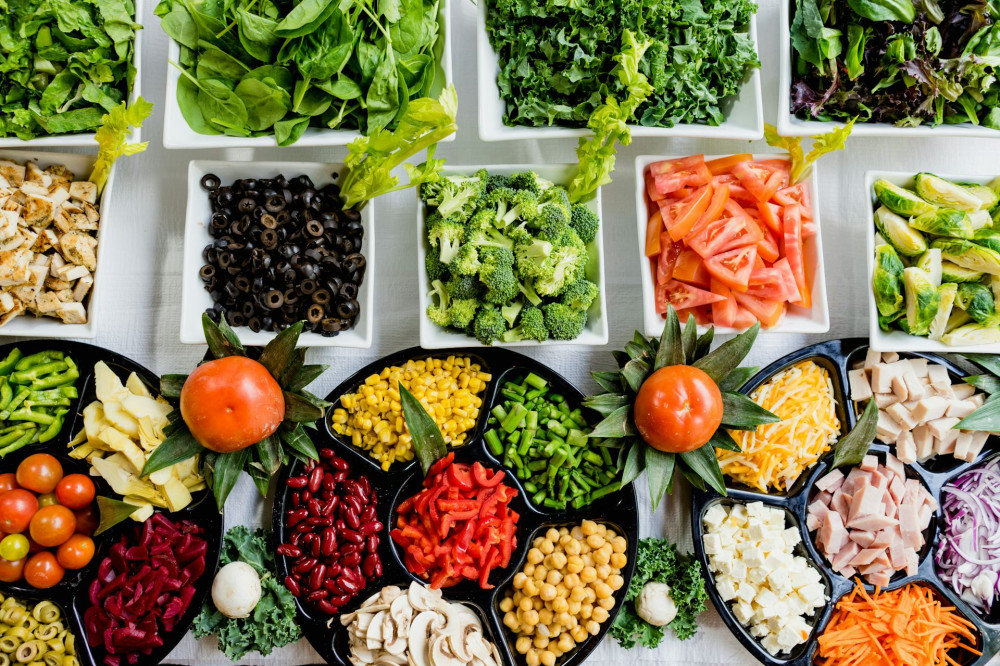
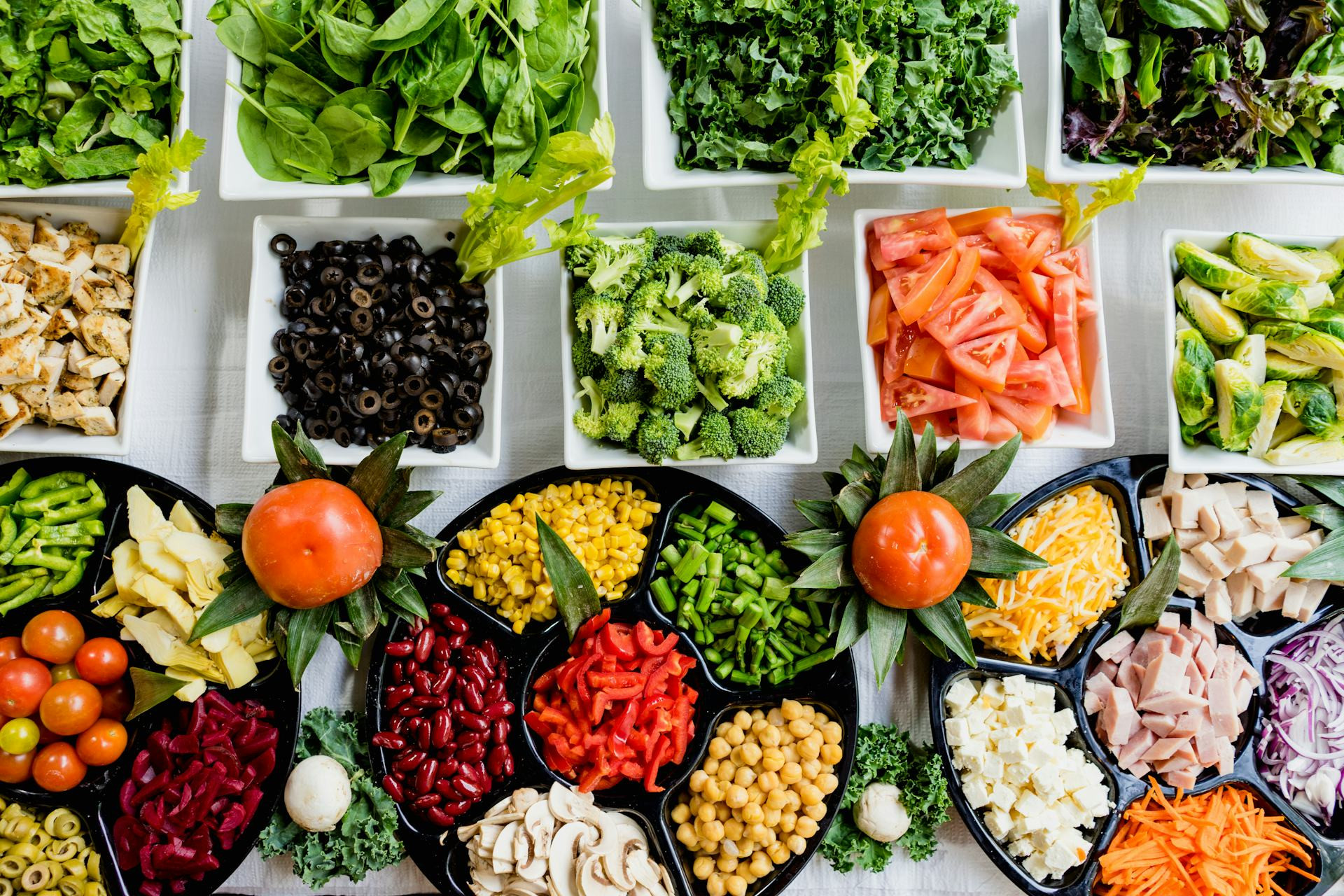
- Red foods like tomatoes, strawberries, and red bell peppers contain lycopene and anthocyanins, which support heart health and circulation.
- Orange and yellow foods such as carrots, sweet potatoes, and mangoes are rich in beta-carotene, which the body converts into vitamin A—important for immune function and healthy skin.
- Green foods like spinach, broccoli, and kale provide chlorophyll, lutein, and folate, which promote cell health and eye function.
- Blue and purple foods such as blueberries, red cabbage, and eggplant are loaded with anthocyanins, known for their strong anti-inflammatory properties.
- White and brown foods like garlic, onions, and mushrooms contain sulfur compounds that support the immune system and help the body detoxify.
The more colors you include on your plate, the wider the range of antioxidants you’ll get—and the better equipped your body will be to fight inflammation.
How Antioxidants Help Calm Inflammation
Inflammation is the body’s natural defense against infection and injury, but when it becomes chronic, it can do more harm than good. Antioxidants help regulate this process by reducing oxidative stress—the imbalance that occurs when free radicals overwhelm the body’s defenses.
Research suggests that diets rich in antioxidants can lower levels of inflammatory markers in the blood. This helps the body repair and maintain itself more effectively. Antioxidants also support healthy blood vessels, improve insulin sensitivity, and strengthen the immune system.
Everyday Sources of Antioxidants
You don’t need supplements to get enough antioxidants—they’re abundant in everyday foods. Here are some simple ways to add more to your diet:
- Start your morning with oatmeal topped with berries and nuts.
- Enjoy a colorful salad for lunch with spinach, beets, bell peppers, and avocado.
- Season your meals with spices like turmeric, ginger, and cinnamon, all known for their anti-inflammatory effects.
- Swap sugary drinks for green tea or herbal tea.
- Treat yourself to a piece of dark chocolate (with a high cocoa content) for a healthy indulgence.
It’s not about eating perfectly—it’s about balance and variety. Even small changes toward a more colorful diet can make a noticeable difference over time.
A Colorful Choice for Health and Vitality
Eating the rainbow is a simple, natural way to support your body’s defenses. Antioxidants work quietly behind the scenes—protecting, repairing, and helping your body stay in balance. When you fill your plate with color, you’re choosing a lifestyle that promotes energy, health, and long-term well-being.
So next time you’re in the produce aisle, let your eyes lead the way. The more colors you bring home, the more you’re doing something good for yourself—today and for years to come.
Læs også: