Cause and Effect: How Children Develop Understanding Through Everyday Experiences

Cause and Effect: How Children Develop Understanding Through Everyday Experiences
When a child drops an ice cream cone and watches it melt, or when a block knocks over a tower, something more than a small everyday event is happening. These are moments when a child begins to understand the connection between action and outcome—cause and effect. This understanding is a cornerstone of cognitive development and forms the basis for later learning, problem-solving, and social awareness.
The First Steps Toward Understanding
Even in infancy, children start experimenting with the world around them. When they shake a rattle and hear the sound, they discover that their action produces a result. This is the beginning of a lifelong process of learning that the world responds to what they do.
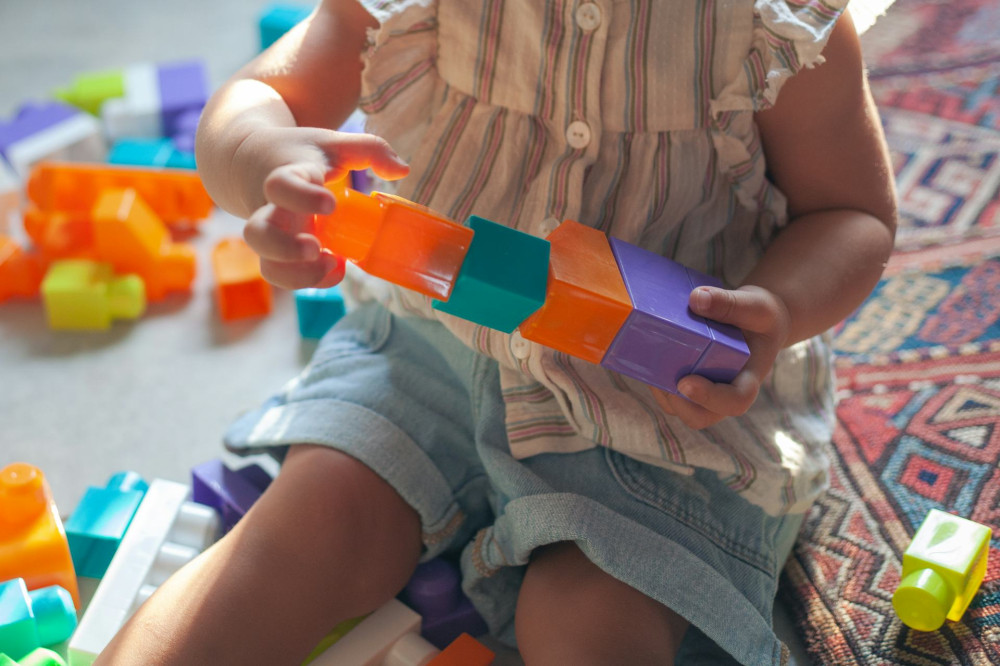
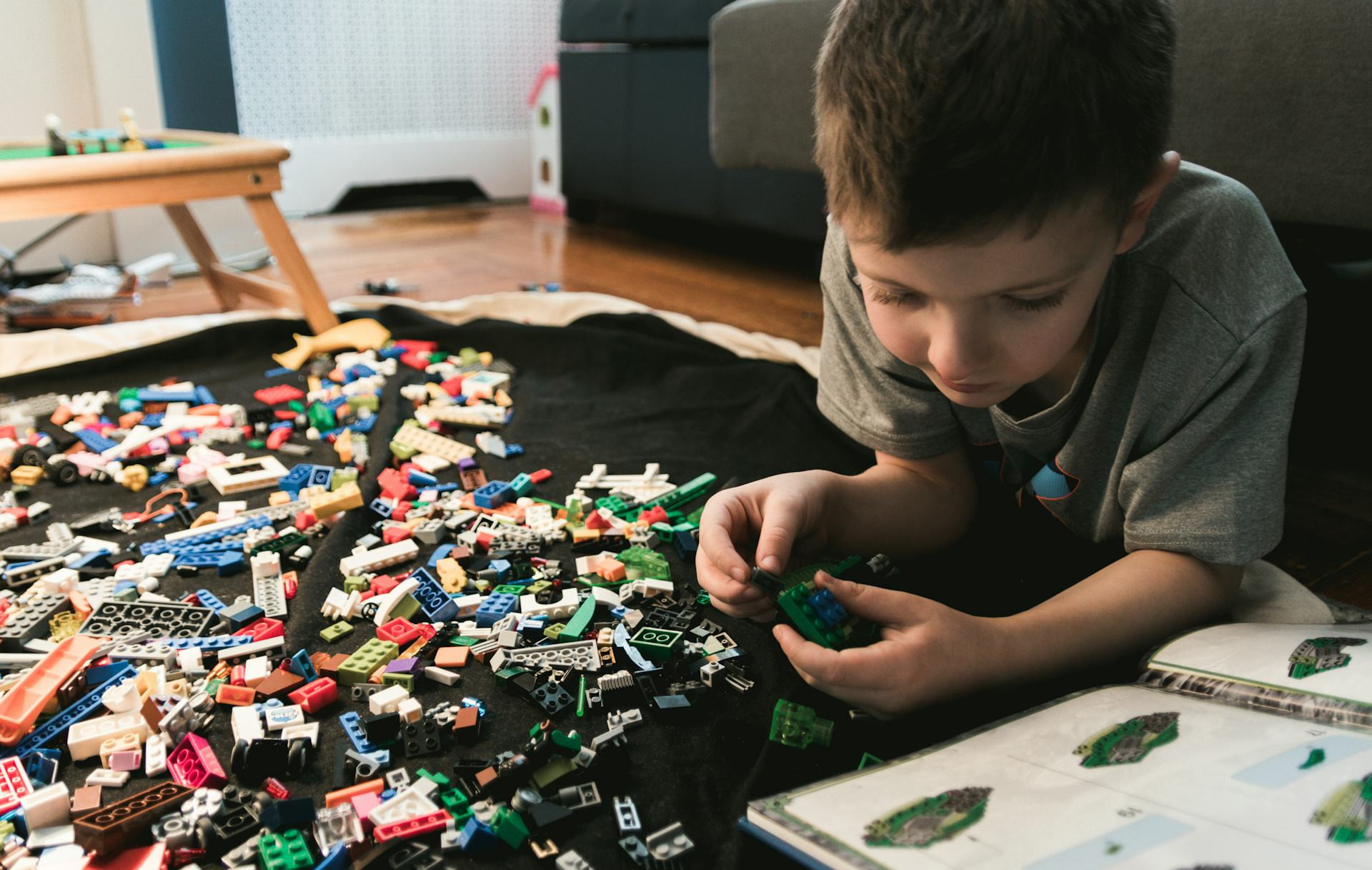
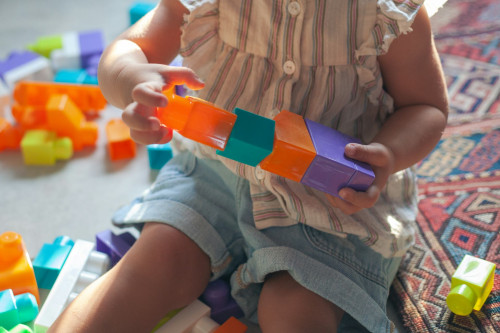
As children grow, their experiments become more complex. They stack blocks, pour water from one cup to another, or press buttons to see what happens. Each time they repeat an action and observe the result, their understanding of cause and effect deepens.
Everyday Life as a Learning Space
Children don’t need special toys or formal lessons to learn about cause and effect—everyday life is full of opportunities. When they help bake cookies and see the dough rise in the oven, or when they plant a seed and watch it sprout, they experience firsthand how actions lead to change.
Parents and caregivers can support this learning by putting words to what’s happening: “Look, when you pour out the water, the cup becomes empty,” or “When you flip the switch, the light turns on.” By connecting words and actions, adults help children understand and remember these relationships.
Læs også:


Play as a Driver of Understanding
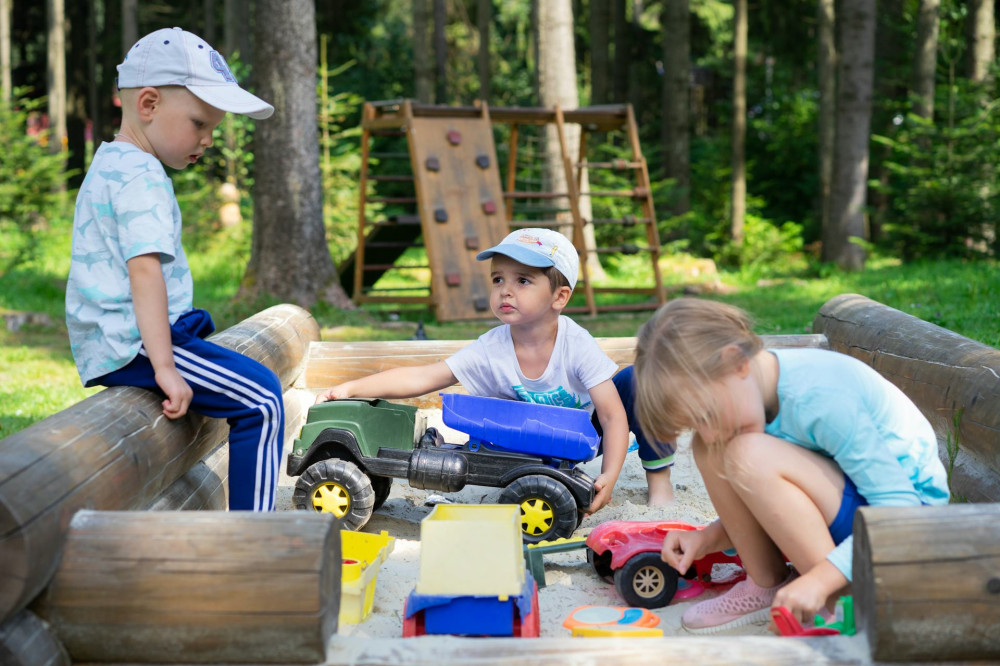
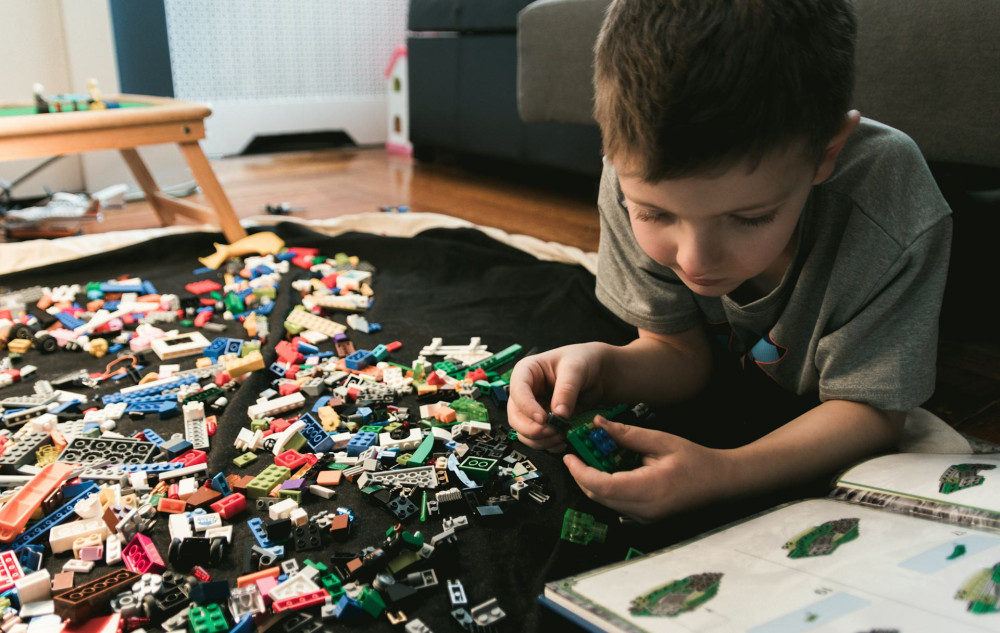
Play is one of the most powerful ways children learn. Through pretend play, building, and hands-on exploration, they test ideas and see what happens. When a child builds a ramp and sends a toy car down it, they’re not only learning about speed and gravity but also about planning and consequences.
Digital games and interactive toys can also support this kind of learning when used thoughtfully. Games that encourage children to predict what will happen when they press a button or move an object can strengthen their ability to think in terms of cause and effect. The key is giving children the freedom to experiment and reflect on the results.
Social Understanding and Empathy
Cause and effect aren’t limited to the physical world—they also play a central role in social and emotional development. When a child notices that sharing a toy makes a friend happy, or that yelling can hurt someone’s feelings, they begin to understand the emotional consequences of their actions.
Adults can nurture this awareness by naming feelings and reactions: “When you help your friend, it makes her smile,” or “When you push, it makes him sad.” In this way, children learn that their actions affect not only things but also people.
When Things Don’t Go as Planned
Mistakes and unexpected outcomes are an essential part of learning. When a child builds a tower that topples or pours too much juice into a cup, they gain valuable experience. They learn that not every action leads to the desired result—and that they can try again in a new way.
Adults can support this process by recognizing the effort rather than just the outcome: “That was a great idea to try—what do you think we could do differently next time?” This approach encourages curiosity and resilience.
A Lifelong Process
Understanding cause and effect continues to develop throughout life. For young children, it’s about concrete experiences; as they grow older, they begin to think more abstractly—about how actions affect the environment, society, or relationships.
By giving children time, space, and support to explore the world, we help them build the foundational understanding that enables them to learn, think critically, and act with awareness.
Læs også: